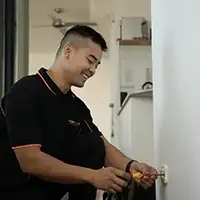
Level 2 electrical work covers any job that connects to, or disconnects from, the electricity network, including meter upgrades, private power poles, and consumer mains. Only an Accredited Service Provider (ASP) can legally carry out this work in NSW. Turramurra homeowners typically need a Level 2 electrician for meter upgrades, solar connections, or ageing private power poles on larger established properties.
Most homeowners only discover they need a Level 2 electrician when a standard electrician tells them a job is outside their licence. PowerHub Electrical is a Level 2 ASP servicing homes across Turramurra and surrounding suburbs. This guide covers what Level 2 work actually involves, when Turramurra homes typically need it, and what the process looks like from quote to compliance.

What Makes Level 2 Work Different
Standard electricians are licensed to work on the wiring inside your home, from the switchboard through to your power points, lights, and appliances. Level 2 electricians hold additional accreditation from network operators like Ausgrid, allowing them to work on the section of the system that connects your property to the grid itself.
That distinction matters because the two jobs are legally separate. A standard electrician cannot touch your consumer mains, service line, or point of attachment, even if they are licensed for everything else in your home.
Under the NSW Service and Installation Rules, only a Level 2 Accredited Service Provider can legally complete this network-side work. Accreditation is governed by the NSW Accredited Service Provider Scheme, which has regulated contestable network connection work since 1995.
What Counts as Level 2 Electrical Work
Level 2 work covers a specific set of tasks, all of which involve the connection between your property and the network.
- Meter upgrades and relocations. Network providers are transitioning properties across Sydney to digital smart meters. Upgrading or relocating your meter panel requires a Level 2 electrician, especially if the existing panel needs modifications to accommodate the new equipment.
- Private power pole installation and repair. Many Turramurra properties, especially those on larger blocks set back from the street, rely on a private power pole to carry the connection from the network to the home. Only a Level 2 electrician can install, repair, or replace one.
- Consumer mains upgrades. The consumer mains are the cables carrying your home’s total electrical load from the street to your switchboard. Upgrading undersized or ageing consumer mains, often needed alongside a switchboard upgrade, falls under Level 2 work.
- Underground and overhead service connections. New connections, whether run underground or overhead, require Level 2 accreditation because the work involves the network’s side of the point of attachment.
- Defect notice rectification. If a network provider issues a defect notice for your property’s connection, such as a leaning power pole or an ageing service line, only a Level 2 electrician can carry out the repair and lodge the compliance paperwork.
More: Why Are Pennant Hills Homes Prone to Power Surges
Why Turramurra Homes Often Need Level 2 Work
Turramurra’s housing stock and layout create specific situations where Level 2 work becomes necessary. Here is what I commonly find across the suburb.
- Established homes on large blocks. Turramurra was subdivided in the 1910s and 1920s, with further development through the 1960s. Many properties sit on large blocks with the home set well back from the street, which often means a private power pole carries the connection rather than a direct overhead line.
- Ageing private power poles. Timber power poles installed decades ago are now reaching the end of their service life. A leaning pole, visible rot, or sagging wires are all signs a pole needs inspection before a defect notice forces the issue.
- Solar and EV connections on larger properties. Turramurra’s affluent, established demographic is well placed for solar installations and EV charging. Both can require a Level 2 electrician to assess or upgrade the point of connection, particularly on older properties with original consumer mains.
- Original meter panels approaching end of life. Homes from the early to mid-20th century often still have original metering equipment. As network providers roll out digital smart meters, ageing panels frequently need Level 2 work to accommodate the upgrade.
What the Level 2 Process Looks Like
When I take on a Level 2 job for a Turramurra property, the process is more structured than standard electrical work because it involves coordination with the network provider.
How I handle Level 2 jobs in Turramurra
I start with a site assessment to confirm exactly what the job requires, whether that is a meter upgrade, a pole replacement, or a new service connection. This determines whether the work requires a scheduled disconnection with Ausgrid.
From there, I provide a fixed-price quote that covers the accredited work, any required equipment, and the compliance documentation. Network coordination is built into the timeline from the start, so there are no surprise delays.
On the day, I carry out the connection or disconnection work, complete the installation or repair, and lodge a Certificate of Compliance for Electrical Work (CCEW) with the network provider. Ausgrid requires every ASP to hold current authorisation before undertaking this work, and the CCEW is your legal record that the job meets NSW’s Service and Installation Rules.
More: Is Your Ryde Home Ready for an EV Charger?
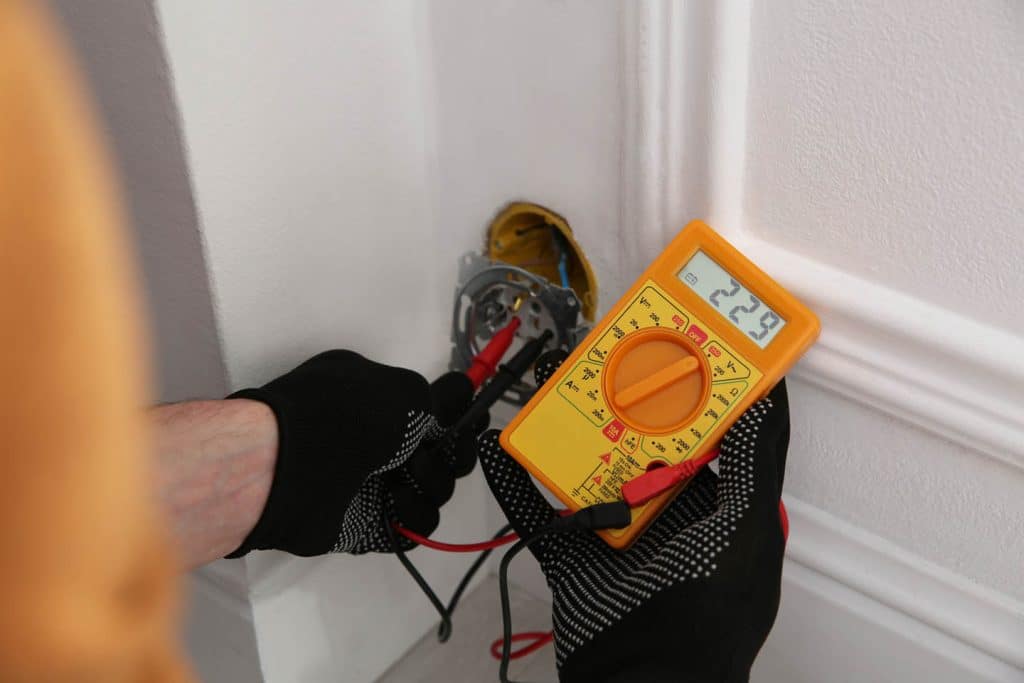
Signs Your Property Needs a Level 2 Inspection
A few warning signs suggest it is worth arranging a Level 2 inspection before a problem forces the issue.
Your power pole is leaning or showing damage
A leaning pole, cracked or splintering timber, or visible corrosion at the base are all signs the pole needs assessment. Waiting for an official defect notice is not the only trigger. A proactive inspection during bushfire or storm season is worth arranging if you notice any of these signs.
Your service line sags or sits close to trees
Low or sagging wires can pose a serious fire and safety risk, particularly where overhanging vegetation is present. This is a common issue on Turramurra’s tree-lined properties and should be assessed promptly.
You have received a defect notice
A defect notice from your network provider means the connection to your property has been flagged as non-compliant. Only a Level 2 electrician can carry out the rectification work and lodge the compliance certificate needed to resolve it.
You are planning a major electrical upgrade
Adding solar, an EV charger, or a switchboard upgrade on an older property sometimes reveals that the consumer mains or point of connection also needs work. A combined assessment avoids discovering this partway through a renovation.
PowerHub Electrical recommends having private power poles and service connections inspected every five to seven years, particularly for homes built before 1970.
After a recent job in the area, William Doig shared this feedback:
“Highly recommend! Brian was great, with clear and punctual communication, did a really great job under tricky circumstances. Would certainly use again.” William Doig
That standard of communication matters most on Level 2 jobs, where network coordination adds complexity most homeowners have not dealt with before.
More: Is Your Epping or Carlingford Old Home’s Wiring Safe?
Areas We Service
PowerHub Electrical provides Level 2 ASP services and standard electrical work across Parramatta and the greater western Sydney region, including Turramurra, Pennant Hills, West Pennant Hills, Epping, Carlingford, Ryde, West Ryde, Eastwood, Beecroft, Dundas Valley, Marsfield, Macquarie Park, Denistone, Telopea, and Melrose Park. Whether your Turramurra property needs a meter upgrade or a full power pole replacement, our accredited team will assess the job and give you a clear plan.
Book a Level 2 Assessment for Your Turramurra Home
If your property needs a meter upgrade, private power pole work, or a new connection, call PowerHub Electrical on 0400 332 331 or contact us online.
- Same-day service available across Turramurra and surrounding suburbs
- $50 off your first service
- 15% pensioner discount on all electrical work
- 24/7 emergency response for urgent faults
- Licensed, insured, and accredited Level 2 ASP
Network-side electrical work requires the right accreditation. Make sure yours is done the first time properly.
Frequently Asked Questions
What is the difference between a standard electrician and a Level 2 electrician?
A standard electrician is licensed to work on the wiring inside your property, from the switchboard to your power points and appliances. A Level 2 electrician holds additional accreditation to work on the connection between your property and the electricity network, including meters, consumer mains, and power poles.
How much does a Level 2 electrician cost in Sydney?
Level 2 service calls in Sydney typically start at $300 to $500 once network coordination is involved, with hourly rates generally higher than those for standard electrical work. Specific jobs vary widely. A private power pole replacement can range from $2,500 to $6,000, while a meter or consumer mains upgrade often falls between $600 and $1,800. PowerHub Electrical provides a fixed-price quote after assessing the job.
Do I need a Level 2 electrician for a private power pole?
Yes. Any installation, repair, or replacement of a private power pole in NSW must be carried out by a Level 2 Accredited Service Provider. This applies whether the pole requires a full replacement or minor repairs following storm damage or general wear.
What is a defect notice and what should I do if I receive one?
A defect notice is issued by your network provider when your property’s connection, such as a power pole or service line, does not meet current safety or compliance standards. According to Ausgrid’s guidance on private poles and powerlines, property owners are responsible for maintaining all poles and powerlines within their property boundary and must respond to a defect notice within the specified timeframe. Only a Level 2 electrician can complete the repair and lodge the compliance documentation needed to clear the notice.
Do I need a Level 2 electrician to install solar panels?
The solar panels themselves are typically installed by a standard electrician or solar installer. However, connecting the system to the grid, or upgrading the point of connection to support the new load, often requires a Level 2 electrician, particularly on older properties with original consumer mains.
How often should a private power pole be inspected?
NSW guidance recommends inspecting private power poles every five to seven years, with more frequent checks during bushfire and storm seasons for timber poles. Property owners are responsible for maintaining private poles and ensuring they do not pose a safety hazard.
Can I do Level 2 electrical work myself if I am a licensed electrician?
No. Even a fully licensed standard electrician cannot legally perform Level 2 work without separate ASP accreditation from the relevant network provider. You can verify an electrician’s licence and accreditation through the NSW Government’s public register before booking any network-side work.
What documentation do I receive after Level 2 work is completed?
You receive a Certificate of Compliance for Electrical Work (CCEW), which is lodged with the network provider under the NSW Service and Installation Rules. This certificate is your legal record that the work meets the required standards and is required for insurance and future property sales.