With electricity prices on the rise across Sydney, more homeowners are looking for smarter ways to cut costs, without compromising comfort.
That’s where a home energy monitor in Sydney comes in. These smart devices connect to your electrical system and provide real-time data about your energy use. By tracking what’s using power (and when), you can make informed changes that lower your power bills month after month.
What Is a Home Energy Monitor?
If you’re serious about saving on energy costs, a home energy monitor is your new best friend. Here’s how it works and why more Sydney homes are making the switch:
- Tracks Household Electricity Usage – Installed near your switchboard, the monitor collects data on how much electricity your home is consuming. It measures in real time and stores data for review.
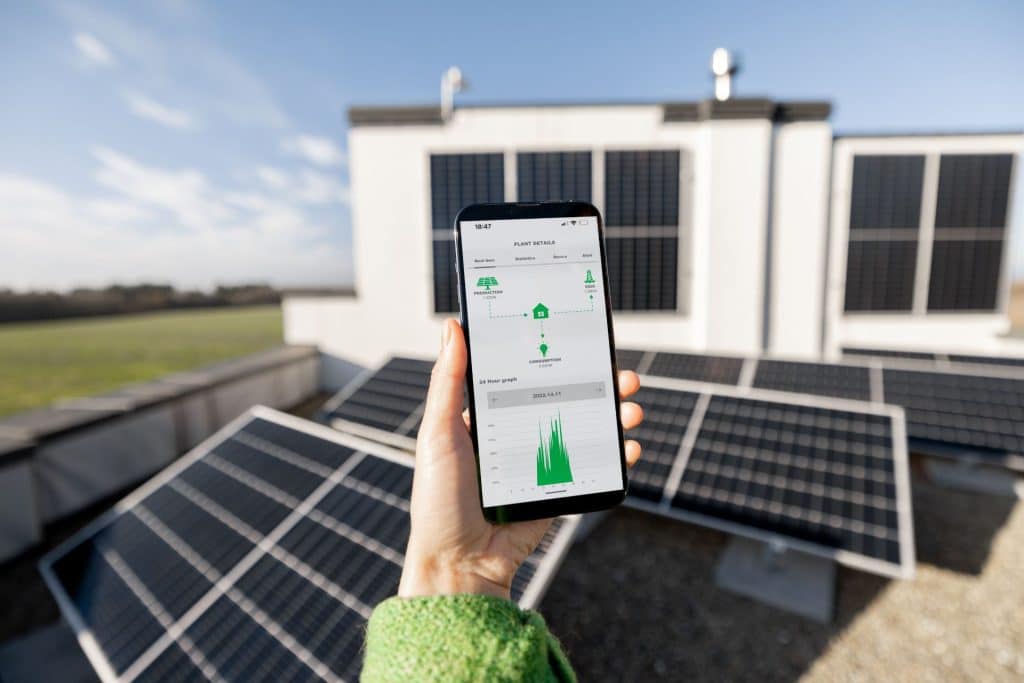
- Shows Real-Time Consumption Data – Most systems connect to mobile apps or wall-mounted displays. You can check usage instantly, from your lights and air conditioner to your washing machine.
- Identifies Energy-Hungry Appliances – These devices pinpoint what’s drawing the most power, helping you find the energy hogs in your home and cut back where it counts.
- Helps Build Smarter Energy Habits – Seeing your usage in real time is a powerful motivator. It encourages behavioural changes like switching off unused appliances or delaying usage to off-peak hours.
- Compatible With Most Sydney Homes – Whether you’re in a townhouse, apartment, or freestanding home, most modern energy usage monitors in Australia are compatible and easily installed by a licensed electrician.
With smart energy monitoring, you finally get visibility over where your electricity dollars are going.
How Energy Monitors Help Lower Your Bills
Here’s how using one simple device can lead to big savings, and long-term control over your home’s energy use.
Identify Appliances That Use the Most Power
Wondering what’s chewing through your power budget? A monitor will track household electricity use and reveal the culprits, think old fridges, inefficient heaters, or always-on pool pumps. This knowledge is the first step toward smarter usage and better energy efficiency tips.
Spot Wasted Energy From Standby Devices
Your TV, gaming console, microwave, and chargers all draw energy even when they’re off. Smart energy monitoring lets you see just how much you’re paying for standby power, and how quickly it adds up. Eliminating this waste can significantly reduce electricity costs in Sydney.
Monitor Energy During Peak and Off-Peak Times
Not all power costs the same. With real-time energy tracking, you can see how your usage lines up with your tariff schedule. That insight lets you shift usage, like running the dishwasher or charging your EV, to off-peak hours and lower your power bills.
Adjust Habits Based on Data Insights
You can’t change what you don’t know. But once you start seeing patterns, like how long your heating runs or how much the dryer uses, you can take real action. An energy usage monitor in Australia provides insights that help you save money on electricity in Sydney without sacrificing comfort.
Long-Term Reduction in Household Bills
Once you’ve made the changes, the savings continue month after month. Over time, these adjustments can lead to hundreds, even thousands, saved per year. It’s one of the most cost-effective smart home energy solutions you can invest in to protect your household budget.
Benefits Beyond Lowering Bills
It’s not just about the money. Energy monitors offer added value that goes well beyond your wallet.
Supports Energy Efficiency and Sustainability
Using less power isn’t just good for your finances, it’s better for the planet. With real-time data from smart energy monitoring, you’ll make eco-friendly choices that contribute to a more sustainable Sydney. Small changes in your home, multiplied across a city, can make a big impact.
Improves Appliance Lifespan by Reducing Strain
Appliances last longer when they aren’t pushed to the limit. By monitoring their usage, you can reduce excessive strain, especially during peak hours. This prolongs the life of your devices while keeping costs down. Another reason to consider a home energy monitor in Sydney.
Helps Plan for Solar and Battery Storage
If you’re thinking about solar or home battery systems, an energy monitor gives you the data to size your system properly. You’ll know when your usage peaks, how much energy storage you need, and where solar offsets can deliver the best return. It’s smart planning for smart home energy solutions.
Provides Greater Awareness of Your Household’s Impact
Watching your real-time usage rise when the air con, kettle, and TV are on helps put energy consumption into perspective. You’ll understand your household’s environmental footprint better, and likely inspire the whole family to help reduce electricity costs in Sydney. It’s all part of building reliable smart home solutions for the future.
Increases Home Value With Modern Upgrades
Buyers love energy efficiency, and modern upgrades like energy monitors, smart meters, and solar-ready systems add appeal. Combine that with a licensed electrician in Sydney to install it correctly, and you’ve just added another layer of value to your property. It’s a smart move all around to save money on electricity in Sydney.

Why You Need Professional Installation in Sydney
Tempted to DIY? When it comes to your switchboard and live wiring, that’s a hard no. Here’s why a professional energy monitor installation is essential:
- Safe Connection to Switchboard – Home energy monitors need to be wired into your main panel. One wrong move could damage your system, or worse. Leave it to a pro.
- Ensures Accuracy and Compliance – A licensed electrician in Sydney ensures your monitor is installed correctly, calibrated properly, and meets Australian Standards. That means accurate data and a longer-lasting system.
- Integrates With Smart Home Systems – Want to pair your monitor with your Google Home, smart thermostat, or solar setup? A qualified electrician ensures full integration with your other smart devices.
- Tailored Advice on Energy Savings – Not only will your installer fit the device, they can also interpret your early data and provide expert Sydney electricians you can trust for personalised advice.
- Peace of Mind With Professional Support – With Powerhub Electrical Sydney, you’re backed by real humans who understand local homes, local tariffs, and local wiring standards. That’s long-term confidence built in.
Take Control of Your Power Bills With an Energy Monitor
Want to finally understand your electricity usage, and how to cut it down? A home energy monitor in Sydney is your key to smarter, more efficient energy management. From cutting standby waste to reshaping daily habits, these devices help you lower your power bills and future-proof your home.
And with Sydney’s energy costs rising, there’s never been a better time to install one.
Call Powerhub Electrical Sydney today on 0400 332 331 for professional home energy monitor installation. Our licensed electricians will help you take control of your energy use and start saving on your power bills.