From flickering lights to tripping switches, do you know the early signs your home needs electrical repairs? Electrical problems are a normal part of homeownership, especially in older Sydney homes. But when left unchecked, small faults can become dangerous and expensive.
Whether it’s a faulty power point or a failing smoke alarm, knowing the common residential electrical repairs, and when to call for help, can save you money and keep your home safe. This guide will help you recognise the symptoms, take safe action, and choose the right electrical repairs in Sydney.
Why Electrical Repairs Are Common in Sydney Homes
Sydney’s mix of historic houses and modern renovations means electrical issues are all too common. Here’s why so many homeowners eventually need a licensed electrician in Sydney for repairs:
- Ageing Sydney Housing Stock – Suburbs like Newtown, Marrickville, and Leichhardt are filled with beautiful homes built decades ago. Unfortunately, many still rely on outdated wiring and old electrical panels that aren’t up to today’s standards.
- Heavy Appliance Use – Our homes work harder than ever, powering dishwashers, dryers, air conditioners, and even EV chargers. This high demand stresses old circuits and increases the chances of faults or overloads.
- Storm and Moisture Damage – Sydney’s humid summers and coastal storms can expose wiring to moisture, which corrodes connections and damages insulation.
- DIY Electrical Work Gone Wrong – It’s illegal to perform electrical work without a license, but many homeowners still try. Poor DIY jobs often lead to bigger issues down the track.
- Normal Wear and Tear – Over time, switches get loose, power points wear out, and insulation breaks down. Even with safe use, household electrical problems build up naturally and need professional attention.
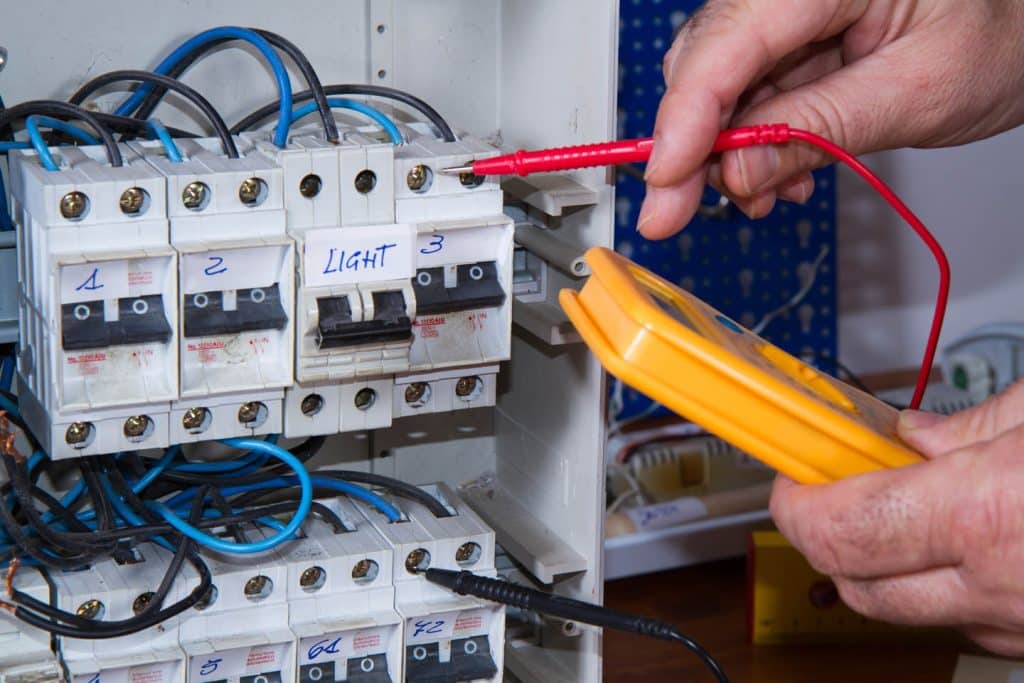
The 5 Most Common Residential Electrical Repairs
Here are the top issues Sydney homeowners face, and what to watch for:
Faulty or Burnt Power Points
A discoloured or warm power point is never normal. These signs often mean internal wiring is loose, charred, or overloaded. If your plugs feel loose or sockets spark when you insert appliances, it’s time for a power point replacement in Sydney. Leaving this unchecked can lead to arc faults or even fires. It’s one of the most common residential electrical repairs for a reason, because power points wear down over time.
Circuit Breaker Trips and Repairs
Is your circuit breaker constantly tripping when you turn on the kettle or microwave? It may be overloaded, faulty, or affected by hidden wiring issues. A circuit breaker repair is essential when your switchboard can’t handle modern loads. It protects your appliances and prevents system-wide failures, making it a top reason homeowners book electrical repairs in Sydney.
Light Switch Failures and Replacements
Flickering lights or switches that don’t “click” properly could signal worn-out contacts. Older switches can loosen internally or develop electrical arcing, creating safety risks. Whether it’s a dimmer not working properly or a standard toggle failing, light switch repair in Sydney is quick, affordable, and essential to fix electrical issues at home before they escalate.
Smoke Alarm Repairs and Replacements
Your smoke alarm could save your life, but only if it works. Alarms that beep randomly, fail test buttons, or haven’t been replaced in 10+ years are unreliable. A proper smoke alarm replacement in Sydney ensures your home meets legal safety standards and is ready to alert you at the first sign of smoke or fire.
Rewiring Old or Damaged Circuits
Homes with outdated cabling, like cloth-insulated wires or cracked rubber, pose serious risks. If you notice insulation damage or flickering on one circuit, you may need electrical rewiring in Sydney. This is especially common in older homes and should only be done by a licensed electrician in Sydney for safety and compliance.
Warning Signs You Need Electrical Repairs Early
Spotting issues early prevents minor problems from becoming major expenses, or hazards.
Flickering Lights or Buzzing Switches
Lights that dim or flicker without reason, or switches that buzz, are early signs of wiring faults or loose connections. These small issues are often overlooked but can cause overheating. It’s important to fix electrical issues at home before they worsen into full electrical failures or fires.
Power Points That Feel Hot or Smell Burnt
Heat or a faint burning smell from your outlets is a serious red flag. It often signals damaged wiring or poor internal contacts. Immediate power point replacement in Sydney is needed to prevent costly electrical damage and potential fire.
Frequent Circuit Breaker Trips
If your breaker trips regularly, even with modest appliance use, it’s not “just annoying,” it’s a sign of overload, poor wiring, or circuit faults. A circuit breaker repair by a licensed electrician in Sydney can restore system stability and prevent appliance damage or hazards.
Smoke Alarms That Fail to Test Properly
Press the test button on your smoke alarm, if it doesn’t beep, it’s useless. Whether the battery is dead or the unit is expired, schedule a smoke alarm replacement in Sydney to protect your Sydney home from electrical hazards. Don’t delay, these devices are your last line of defence.
Old Wiring With Cracks or Cloth Insulation
Visible wiring in your roof space or behind switchboards should never look cracked, cloth-wrapped, or frayed. If it does, you likely need electrical rewiring in Sydney. Booking reliable residential electrical services can prevent more serious problems like shock or fire.

Why Professional Electrical Repairs Are Essential
Hiring a licensed electrician isn’t just about convenience, it’s a matter of safety, compliance, and quality. Here’s why DIY isn’t an option when it comes to home repairs:
- Ensure Compliance With Australian Standards – All residential electrical work must meet national safety standards. Only a licensed electrician in Sydney can certify that your repairs are legal and safe.
- Prevent Electrical Fires and Shocks – Ignored issues like burnt sockets or faulty switches can lead to devastating fires or electrocution. Professional repairs for lasting safety are essential to protect your home and family.
- Extend the Life of Appliances – Faulty wiring and frequent surges can damage electronics. Fixing these issues early keeps your expensive appliances running efficiently and reduces the risk of electrical burnout.
- Reliable Repairs That Last – Quick DIY fixes may solve the symptom, not the cause. Expert electricians you can trust provide long-term solutions backed by proper diagnostics and quality parts.
- Peace of Mind for Sydney Homeowners – Knowing your home has been professionally inspected and repaired means no sleepless nights wondering if a flickering light might lead to something worse.
Keep Your Home Safe With Professional Electrical Repairs
Every home develops issues over time, but it’s how you respond that matters. From burnt power points to unreliable smoke alarms, the most common residential electrical repairs often start with small warning signs.
Don’t ignore flickers, smells, or tripped breakers. Acting early saves money and keeps your loved ones safe. For trusted electrical repairs in Sydney, always call a licensed electrician with local experience.
Call Powerhub Electrical Sydney today on 0400 332 331 for expert residential electrical repairs, inspections, and upgrades. Our licensed electricians provide reliable, long-term solutions to keep your home safe.