Do you live in an older Sydney home? Your wiring could be hiding a dangerous secret. Many properties built before the 1960s still contain VIR cabling, short for Vulcanised Indian Rubber. While it was once the standard for electrical systems, it’s now outdated, brittle, and a major safety risk.
Whether you’re renovating or just want peace of mind, understanding the risks of old VIR cabling could help you avoid fire, shock, or expensive damage. In this guide, we’ll explain what VIR wiring is, why it’s dangerous, and when to replace VIR cabling in Sydney for good.
What Is VIR Cabling?
If your home was built before the 1960s, there’s a chance it still contains this hazardous wiring. Here’s what you need to know about Vulcanised Indian Rubber cabling and why it’s so problematic in outdated electrical systems in Sydney:
- Vulcanised Indian Rubber Insulation – VIR cabling uses a rubber compound as insulation, once praised for its flexibility and resistance. Over time, however, this material deteriorates with heat and age, becoming brittle and unsafe.
- Often Mixed With Cotton and Lead Sheathing – In many cases, the rubber insulation is wrapped in cotton and enclosed in lead. While this was considered advanced at the time, it adds fire risks and potential exposure to toxic materials like lead.
- Installed in Homes Pre-1960s – Most Sydney homes built before the electrical standards changed still rely on this outdated system. You’ll find it in ceiling cavities, under floors, and inside wall cavities, hidden but dangerous.
- Not Designed for Modern Loads – VIR wiring wasn’t made to power the high-demand appliances we use today. It struggles under the load of air conditioning, electric ovens, and home office setups, increasing the chance of overheating.
- Now Banned and Considered Hazardous – Because of its fire and health risks, VIR wiring is now prohibited under Australian Standards. If you’re still running on it, it’s time to plan a safe and compliant electrical rewiring.
Why Old VIR Cabling Is Dangerous
The dangers of keeping old electrical systems in place go beyond inconvenience. VIR cabling poses multiple safety and reliability issues that demand urgent attention.
Insulation Breaks Down and Becomes Brittle
Over time, rubber loses its elasticity and cracks, especially under heat or pressure. That’s why cracked and brittle electrical wiring is so common in homes with VIR. The exposed copper inside becomes a shock or arc risk, especially in dusty ceiling spaces.
Increased Risk of Electrical Fires
The most pressing concern is fire. When VIR wiring cracks, arcs, or overheats, it can ignite nearby flammable materials like timber frames or insulation. This is one of the leading electrical fire risks from old wiring and a key reason to act fast.
Asbestos Present in Some VIR Cabling
Yes, some old VIR cables contain asbestos, particularly in the insulation wrappings or wall linings near the wiring. Disturbing these materials can release dangerous fibres into the air. Only a licensed electrician in Sydney should handle potential asbestos-linked electrical work.
Can’t Handle Modern Power Loads
From EV chargers to ducted air conditioning, modern homes demand more power than older systems can safely provide. VIR wiring may overheat or trip circuits due to overload. This makes old electrical wiring replacement not just smart, but essential to safely replace VIR cabling in Sydney homes.
Higher Risk of Electrical Shock
Exposed wires, weak insulation, and non-compliant grounding all contribute to increased shock risks. Especially in areas like kitchens and bathrooms, the dangers of VIR wiring become even more pronounced. Replacing it helps protect your Sydney home from electrical hazards.
Warning Signs You May Have Old VIR Cabling
Not sure if your home has VIR cabling? Here are the red flags to watch out for, and why you shouldn’t ignore them.
Your Home Was Built Before the 1960s
If your house was built before the early 60s and hasn’t been rewired since, chances are it still contains VIR. Many outdated electrical systems in Sydney haven’t been upgraded, especially in untouched properties or investment homes. It’s time to call a VIR cabling electrician in Sydney for an inspection.
Cracked or Cloth-Like Wiring Insulation
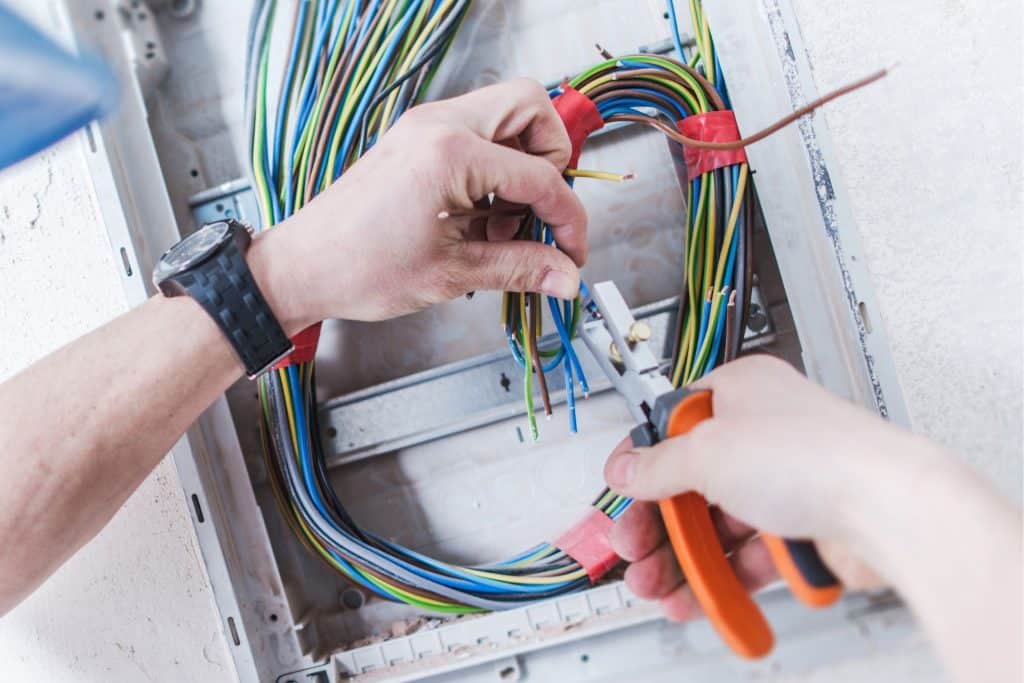
Pop your head into the roof cavity and check visible wiring. Does the insulation look fabric-wrapped or dried out? These are classic signs of cracked and brittle electrical wiring and a clear reason to replace VIR cabling in Sydney before it fails.
Frequent Power Trips or Flickering Lights
If your breakers are constantly tripping or your lights flicker for no clear reason, your wiring may not be coping with demand. These symptoms point to serious issues and increase your electrical fire risk from old wiring. Get a licensed electrician in Sydney to assess the load.
Burnt Smells or Scorch Marks at Outlets
Any sign of burning smells, discoloured outlets, or flickering at the power points is a major red flag. VIR wiring often deteriorates behind the scenes, only surfacing once damage occurs. Contact Powerhub Electrical Sydney immediately if you notice any of these symptoms.
No Record of Rewiring in Your Property History
Not sure if your home’s been updated? If there’s no paperwork for rewiring or upgrades, assume the worst. Book a VIR cabling electrician in Sydney for a professional check and plan for old electrical wiring replacement before problems strike.
Why Replacing VIR Cabling Is Essential for Sydney Homes
You’ve spotted the signs, now here’s why you can’t afford to wait on replacing that old wiring:
- Ensures Compliance With Australian Standards – VIR wiring is banned under today’s electrical codes. Replacing it ensures your home meets modern regulations, especially if you’re planning to sell or renovate.
- Protects Against Fires and Shocks – Swapping out VIR means removing the most serious wiring-related hazards. It’s the best way to prevent costly electrical fires and accidental electrocution.
- Improves Electrical Reliability – No more tripping circuits, flickering lights, or overworked switchboards. New cabling handles high loads safely, supporting all your modern appliances.
- Adds Value to Your Home – Buyers and building inspectors love updated systems. Safe, compliant wiring is a major tick on the property checklist, especially for older homes.
- Peace of Mind for Your Family – Rewiring is an investment in long-term safety. With professional wiring inspections and upgrades, you won’t have to worry about hidden risks above your ceiling or behind your walls.
Don’t Ignore the Risks of VIR Cabling
If you live in a pre-1960s Sydney home and haven’t had the wiring checked, you may be living with a silent but serious hazard. VIR cabling is outdated, brittle, and unsafe, and the risks only grow with time. Don’t wait for a shock, fire, or major outage to make it clear.
To stay compliant, safe, and worry-free, it’s time to replace VIR cabling in Sydney with the help of a trusted, licensed electrician.
Call Powerhub Electrical Sydney today on 0400 332 331 for expert VIR cabling inspections and rewiring. Our licensed electricians provide safe and compliant upgrades to protect your home.