A switch should operate silently. If you hear a crackling noise in a switch, sparking sounds, or popping when turning it on or off, it means something is wrong. These noises are caused by loose wiring, faulty switches, or electrical arcing, all of which create serious fire hazards. Ignoring the problem can lead to overheating, melted switch plates, or even electrical fires.
If you notice a sparking switch sound in your Sydney home, treat it as urgent and call a licensed electrician immediately. Powerhub Electrical provides fast switch repairs, replacements, and electrical inspections to restore safety and peace of mind.
Why Do Switches Make a Crackling Noise?
Crackling, popping, or buzzing sounds from switches usually mean damaged connections or overheating. These are the most common causes:
- Loose wiring connections: If wires aren’t secured tightly, arcing occurs. This produces audible crackling and sparking that worsens over time and increases fire risk.
- Overloaded circuits: Too many devices running on a single line overstress the circuit, causing switches to overheat and crackle when activated.
- Old or worn switches: In older Sydney homes, switches degrade. Brittle plastic, worn contacts, and age-related faults make them noisy and unsafe.
- Moisture damage: Switches in kitchens, bathrooms, or outdoor areas often absorb dampness. Moisture creates short circuits and sparks when switches are used.
- Faulty installation or DIY work: Incorrectly wired or poorly installed switches produce sparking sounds. DIY repairs are unsafe and illegal in NSW.
- Underlying switchboard faults: Sometimes, the noise comes from deeper issues. A failing switchboard may send arcing signals through connected switches.
Each of these issues requires prompt attention from a licensed electrician in Sydney. Ignoring them not only risks property damage but also puts lives in danger.
Warning Signs That a Crackling Switch Is Dangerous
Some symptoms mean your switch is unsafe and requires urgent repair:
Burning Smell or Heat
If a switch feels hot or emits a burning smell, turn off power immediately. Heat signals dangerous overheating and fire risk. An emergency electrician should replace the faulty switch as soon as possible.
Visible Sparks or Flashes
Seeing sparks when you flick a switch is never normal. Sparks show arcing is occurring inside the switch, creating both shock and fire hazards. Stop using it and call a licensed electrician.
Switch Plate Discolouration
Brown or black marks on the switch plate indicate overheating. Melted plastic or scorch marks confirm a switch has already been compromised. These switches must be replaced urgently to prevent further fire hazards.
Buzzing or Humming Sounds
A switch making buzzing noises while lights are on points to loose wiring or overloaded circuits. These noises should never be ignored, they are early warnings of a serious fault.
Lights Flickering When Switching
If lights flicker or dim when the switch is used, wiring may be loose or the switch failing. This instability is a sign that an inspection is needed immediately.

What to Do If Your Switch Makes a Crackling Noise
Follow these steps to stay safe and avoid further damage:
Turn Off the Power Immediately
Shut off the circuit breaker or main switch supplying power to the faulty switch. This stops further arcing and reduces fire risk until a professional arrives.
Stop Using the Affected Switch
Do not continue using a noisy or sparking switch. Cover or label it if necessary to prevent anyone from accidentally turning it on.
Do Not Attempt DIY Repairs
Electrical work in NSW is strictly regulated. Attempting DIY switch repairs is illegal and creates shock and fire hazards. Always call a licensed electrician instead.
Contact a Licensed Electrician
Call Powerhub Electrical on 0400 332 331. Our licensed Sydney electricians can replace faulty switches, diagnose loose wiring, and restore power safely.
Get a Full Electrical Inspection
Noisy switches often point to wider electrical faults. An inspection checks wiring, circuits, and switchboards to ensure your home is safe and compliant.
How to Prevent Crackling and Sparking in Switches
Preventative steps protect your home and reduce risks:
Replace Old or Damaged Switches
Switches wear out with age. Replacing crackling or worn switches keeps your home safe. Powerhub Electrical provides reliable replacements across Sydney.
Schedule Regular Electrical Inspections
Arrange inspections every few years. Licensed electricians detect loose connections, wiring faults, and overloaded circuits before they become dangerous.
Upgrade to Modern Safety Switches
Old switches lack today’s safety standards. Upgrading improves protection and reduces the risk of sparking faults.
Ensure Moisture Protection in Wet Areas
Install waterproof switches in bathrooms, kitchens, and outdoor areas. Proper moisture protection prevents dangerous faults from developing.
Avoid Overloading Circuits
Spread out high-demand appliances. Overloading causes switches and circuits to overheat, leading to crackling noises and failures.
When a Crackling Switch Becomes an Emergency
Some situations mean you need urgent help immediately:
Smoke or Flames from Switch
If a switch smokes or catches fire, turn off the main power and call 000. Then contact an emergency electrician for urgent repairs.
Power Failure Across Multiple Circuits
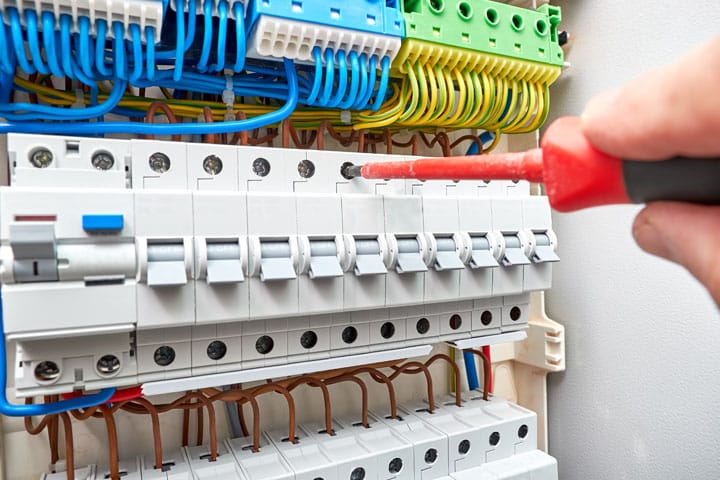
If multiple switches or circuits fail together, the fault may lie in your switchboard. This requires immediate professional inspection.
Crackling After Storm or Water Damage
Moisture in wiring or switches after storms is a high fire risk. Call a licensed electrician to restore safety.
Medical or Safety Devices Impacted
If sparking switches cut power to critical medical or safety devices, treat it as an emergency. Backup power and immediate repairs are essential.
Why Call a Licensed Electrician for Crackling Switch Repairs
Professional repairs protect your home and ensure long-term safety:
Accurate Fault Diagnosis
Electricians identify whether the noise comes from loose wiring, faulty switches, or deeper switchboard issues.
Safe Switch Replacements
Licensed electricians safely replace crackling switches, ensuring wiring is correctly secured and compliant.
Preventing Electrical Fires
Repairing or replacing noisy switches reduces the risk of arcing and fire hazards.
Compliance with NSW Electrical Standards
All repairs meet Australian Standards, protecting your insurance coverage and household safety.
24/7 Emergency Electrician Services in Sydney
Powerhub Electrical provides urgent switch repairs day or night. Call 0400 332 331 when you need an emergency electrician in Sydney.
Fix Crackling Switches Fast and Stay Safe
A crackling noise in a switch is never harmless, it’s a sign of loose wiring, faulty switches, or overheating, all of which create fire hazards. Ignoring the problem risks melted fittings, damaged wiring, and house fires.
The safest option is always to call a licensed electrician. Powerhub Electrical provides expert switch replacements, fault diagnosis, and full electrical inspections across Sydney. Call 0400 332 331 today to restore safety and protect your home from electrical fire risks.