Electricity costs seem to rise faster than expected, leaving many homeowners frustrated by growing bills. The good news is that there are real ways to reduce power bills without sacrificing comfort. Most people overlook how electrical systems, outdated appliances, and usage habits silently drive costs higher.
With expert advice and a few smart changes, you can identify problem areas and make your home more efficient. A licensed electrician can help uncover hidden issues, improve energy performance, and ensure your system runs safely. Understanding where your energy goes is the first step to taking control and cutting unnecessary costs.
Understanding Why Power Bills Keep Rising
High power bills aren’t random. They often reveal how your household uses electricity and how well your electrical system performs. Understanding these factors is key to saving energy and managing long-term costs effectively.
Hidden Energy Drains In Your Home
Small standby devices and forgotten appliances often draw power even when you’re not using them. Chargers, TVs, and Wi-Fi routers constantly consume energy. Over time, this phantom load adds up, quietly increasing your bill. Switching off devices at the wall and using smart plugs can limit this waste. Identifying these hidden drains is one of the easiest first steps toward managing energy use more efficiently.
Outdated Electrical Systems Increase Costs
Old wiring and outdated switchboards can waste power and strain your home’s circuits. When systems aren’t running efficiently, they draw more current to do the same job. An electrician can inspect and upgrade key components, improving performance and safety.
Professional switchboard repair and upgrades improve energy flow, safety, and long-term efficiency, helping reduce your household’s overall power usage.
Peak-Hour Habits And Off-Peak Opportunities
Electricity costs more during high-demand periods. Many homes still use power at the same time each evening, pushing costs up. Shifting some appliance use to off-peak electricity usage times, like late at night or early morning, can instantly lower your total bill.
Setting timers on washing machines or dishwashers makes this simple. Awareness of your provider’s peak and off-peak rates is essential for managing daily consumption.
When Rising Costs Signal Electrical Inefficiency
If your bills keep climbing despite consistent habits, your electrical system may be underperforming. Faulty wiring, loose connections, or inefficient lighting can drive up costs without clear warning signs. Our electrical repair services can help locate these issues before they worsen.
A licensed electrician can test circuits, evaluate load distribution, and offer targeted solutions that make your home safer and more efficient.

Smart Ways To Reduce Power Bills At Home
Making your home more energy-efficient doesn’t have to be complicated. Small changes to your habits and appliances can help you lower electricity bills and keep your home comfortable without overspending on power each month.
Upgrade To Efficient Lighting And Appliances
Replacing outdated lights and appliances can make a huge difference. Modern energy-efficient appliances use far less power while performing better. Our LED lighting installation services help you modernise your home while keeping energy costs under control. Choose fridges, washing machines, or air conditioners with high energy ratings.
These upgrades not only save money but also reduce strain on your electrical circuits. A qualified electrician can recommend and install products suited to your home’s layout, helping you maintain a more sustainable and cost-effective setup.
Adjust Usage And Improve Habits
Changing how and when you use electricity can drastically cut energy usage. Start by switching off lights in empty rooms, setting thermostats to moderate levels, and running appliances only when needed.
These small changes often deliver noticeable results within one billing cycle. Tracking your daily consumption helps you identify problem areas and form better habits that benefit both your wallet and the environment.
Insulate And Optimise Your Home’s Performance
A well-insulated home naturally stays cooler in summer and warmer in winter, meaning less reliance on heating or cooling systems. Seal gaps around doors and windows, and add insulation to ceilings or walls if needed.
These are practical energy-saving tips for homes that improve comfort and efficiency at once. When your property holds temperature more effectively, your power system works less, keeping bills steady year-round.
Track Energy With Smart Technology
Smart meters and energy monitoring systems make it easier than ever to understand where your electricity goes. Many devices show real-time data, helping you save on power costs by pinpointing which appliances consume the most energy.
Some systems even let you automate lighting, heating, and cooling schedules. With help from a licensed electrician, you can integrate this technology safely and make informed choices that lead to meaningful long-term savings.
Long-Term Solutions To Reduce Power Bills
Some improvements go beyond daily habits and provide ongoing savings year after year. Investing in professional upgrades and better planning can dramatically lower costs while increasing your home’s long-term value and efficiency.
Invest In Solar And Storage Solutions
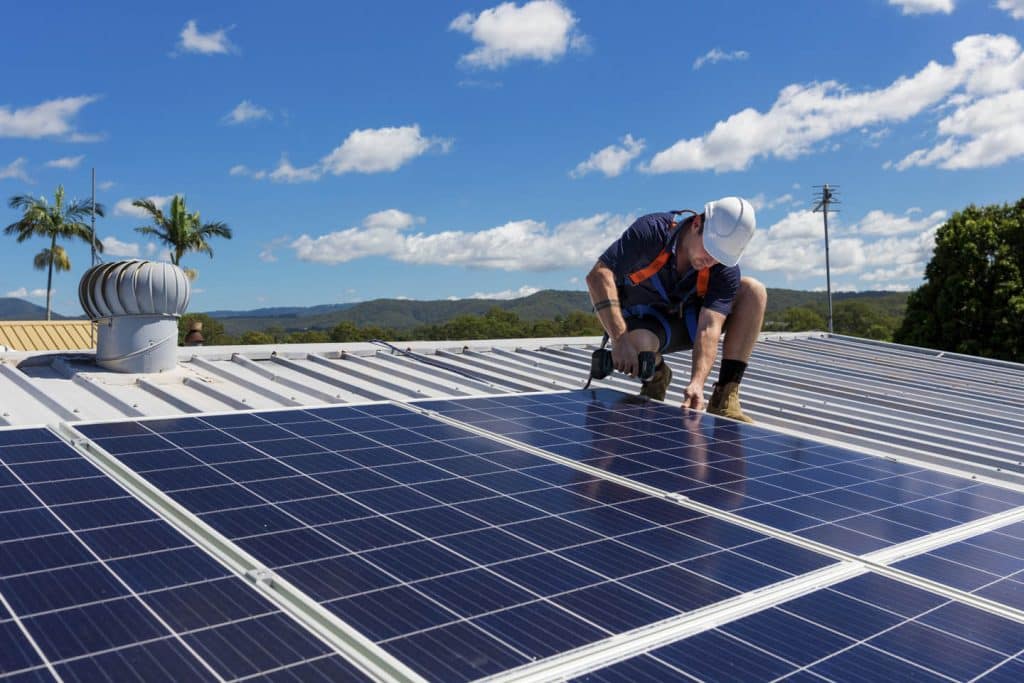
Installing solar panels to reduce power bills is one of the most effective long-term strategies available. By generating your own electricity, you depend less on the grid and benefit from free energy during daylight hours.
Adding a battery system allows you to store surplus power and use it later when rates are higher. A licensed electrician can design, install, and maintain these systems to ensure safety and maximum efficiency, making solar a sound investment for most Australian homes.
Explore Government Energy Incentives
Australian homeowners can access multiple government energy rebates designed to encourage efficiency upgrades. These programs may cover part of the cost for solar installations, battery systems, or energy-efficient lighting. Checking your state or local council’s website helps identify what’s available in your area.
An eligible electrician can also guide you through installation and eligibility requirements, ensuring your upgrades meet Australian Standards and take full advantage of potential financial benefits.
Review And Switch To Better Energy Plans
Electricity providers frequently update rates and discounts, which means you might be paying more than necessary. Taking time to compare electricity plans in Australia helps identify cheaper tariffs or options better suited to your household’s usage.
Reviewing your plan at least once a year prevents overpayment and ensures you’re benefiting from the best deals. Even small differences in rates can lead to hundreds of dollars in annual savings.
Partner With An Electrician For Ongoing Efficiency
If you’ve been wondering how to reduce electricity bills in Australia, working with a qualified electrician is a smart step. They can assess your property, recommend upgrades, and maintain your electrical system for long-term performance.
From installing sensors to upgrading switchboards, their expertise ensures your home remains safe and energy-efficient. Regular maintenance prevents costly faults and keeps your entire electrical setup working at its best.
When To Call A Licensed Electrician
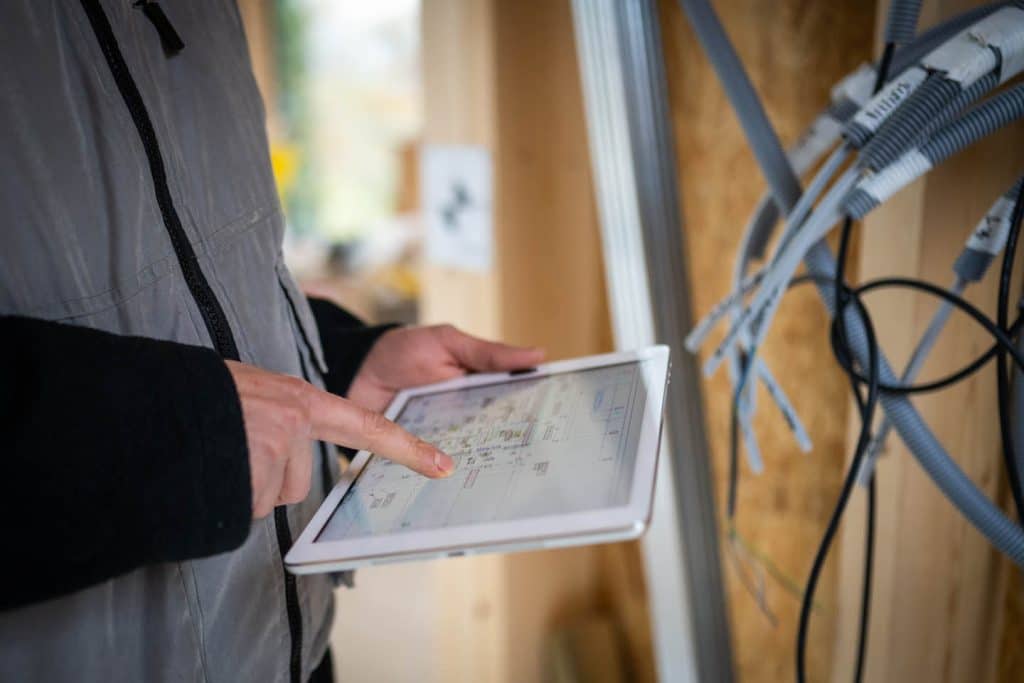
Sometimes, high energy bills are symptoms of deeper electrical issues. Knowing when to seek help from a licensed electrician ensures your home stays safe, efficient, and ready to support future energy savings.
Constant Circuit Trips Or Flickering Lights
If your lights flicker or your circuits trip regularly, it could point to overloaded wiring or faulty components. These problems make your electrical system work harder, driving up energy use.
An electrician can test the circuits, replace damaged parts, and balance the load across your home. Fixing these faults promptly prevents more serious issues, improves safety, and helps you reduce power bills by ensuring electricity flows efficiently.
Burning Smells Or Overheating Power Points
Any burning smell near outlets or electrical panels is a red flag. Overheating power points or melted switches indicate loose connections or excessive current flow. Left unchecked, they not only waste electricity but also pose a fire risk.
A professional electrician can identify the cause, replace damaged fittings, and secure all wiring. Acting quickly protects your home and prevents hidden energy loss that contributes to higher costs.
Regularly High Bills Despite Low Usage
If your bills remain high even when your energy habits haven’t changed, hidden faults might be to blame. Damaged cabling, inefficient lighting, or leaking current can silently consume power. Our fault detection services use advanced testing to find these issues early and ensure every circuit runs efficiently.
Planning Upgrades Or Renovations
Whenever you plan to add appliances, expand your home, or install new systems, consulting an electrician is essential. They’ll ensure circuits can handle additional load and recommend energy-efficient wiring or fittings.
Making the right electrical choices during renovations improves functionality and can significantly reduce power bills over time. Professional input at this stage prevents future inefficiencies and ensures your upgrades comply with safety standards.
Getting Expert Help To Reduce Power Bills
Every home uses power differently, but professional advice makes efficiency simpler and safer. If you’ve noticed increasing bills, outdated wiring, or unreliable appliances, a licensed electrician can help identify and fix what’s driving up costs.
Powerhub Electrical provides trusted service, offering same-day support and energy-saving expertise tailored to your home. Call 0400 332 331 to book an inspection or discuss practical upgrades that can help you reduce power bills and keep your home running safely and efficiently.