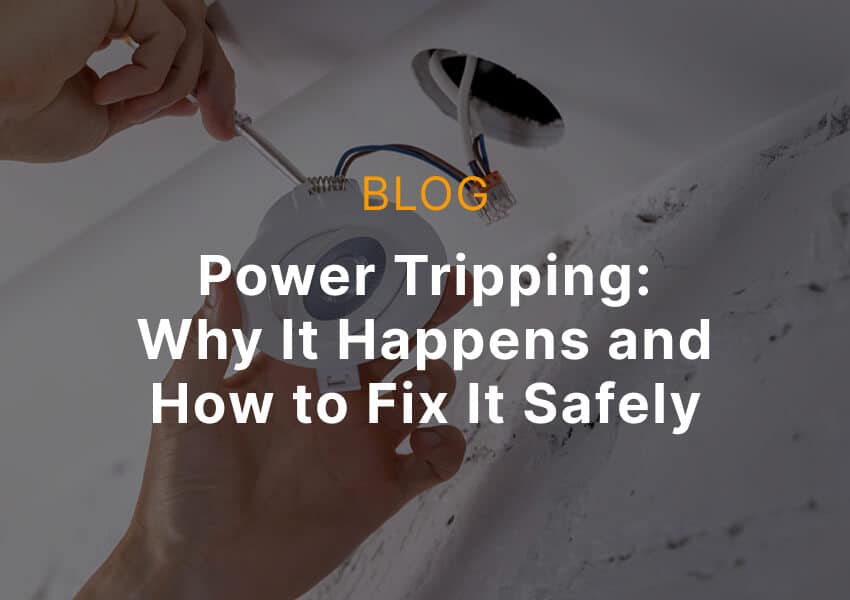
Power tripping in Australian homes is more than just a frustrating inconvenience, it’s a safety warning you should never ignore. If you’ve ever wondered, “why does my power keep tripping?” or noticed your circuit breaker keeps tripping, the cause could be anything from an overloaded circuit to a hidden wiring fault.
Each time your system trips, it’s working to protect your home from potential fire hazards or electrical damage. Understanding what triggers these events is essential for staying safe. With the right knowledge and quick action, you can restore power safely and prevent dangerous situations from escalating.
Common Causes of Power Tripping
Power trips happen when the electrical system detects a problem. These are the main causes Australian electricians see most often:
- Overloaded circuits: Too many appliances pulling electricity from the same circuit will trigger a trip. This protects your wiring from overheating but signals you may need additional circuits or a switchboard upgrade.
- Faulty appliances: Old or damaged appliances like fridges, kettles, or heaters often trip the safety switch when they develop faults. If unplugging a single device stops the tripping, that appliance is the culprit.
- Short circuits: A short circuit happens when live and neutral wires touch or insulation breaks down. These events cause sudden current surges that trip the breaker instantly and require urgent inspection by a licensed electrician.
- Moisture intrusion: Rain, leaks, or wet outdoor power points can cause dangerous tripping events. Moisture inside electrical fittings should always be treated as a hazard needing professional attention.
- Aging switchboards: Many Sydney homes still rely on old fuse boxes, which aren’t built for today’s energy demands. These outdated boards often trip under modern loads, making a switchboard upgrade essential.
- Wiring issues: Loose connections or DIY wiring can create unsafe conditions that repeatedly trip your breakers. Poor workmanship and old cabling remain some of the most common causes of recurring trips across NSW homes.
What to Do When Your Power Trips
When the power suddenly goes out, acting safely and methodically helps you find the cause. Here are the first steps to take:
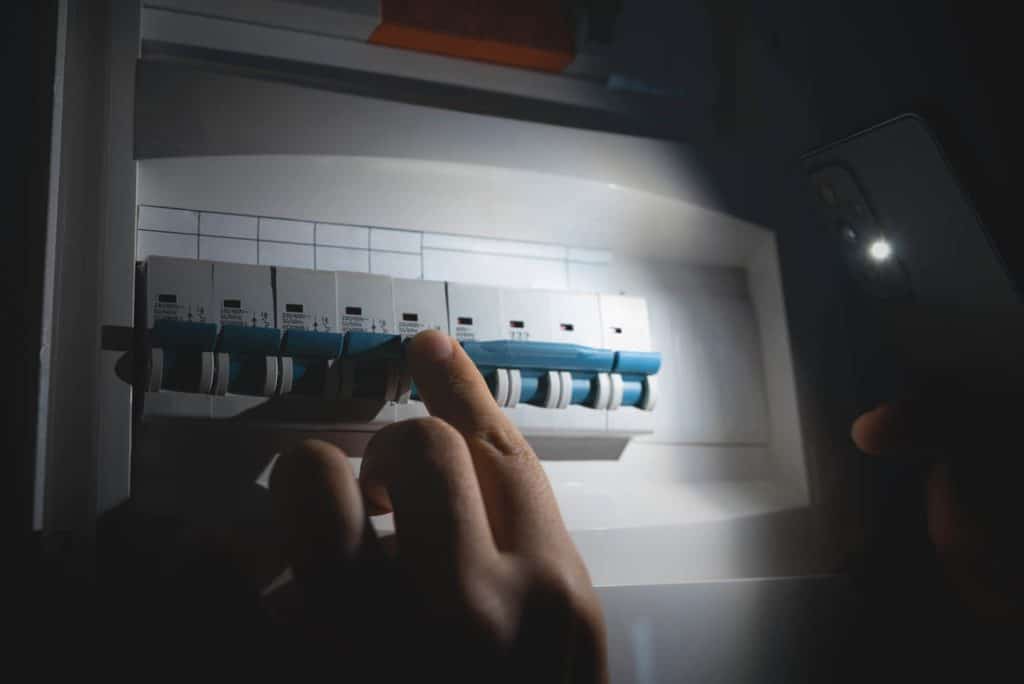
Check the Safety Switch
Your first step should always be to look at the safety switch or circuit breaker. If one switch is in the “off” position, try resetting it once. If it trips again immediately, there’s an underlying fault that needs attention. Never force it back on repeatedly.
Unplug and Test Appliances
Unplug all appliances connected to the affected circuit, then reset the switch. Plug them back in one at a time. If the power trips when a certain item is reconnected, you’ve likely found the faulty appliance. Replace it or have it repaired.
Inspect for Water Damage
Look for signs of moisture around power points, light fittings, or outdoor sockets. Water intrusion can cause dangerous short circuits and must be treated seriously. If you suspect water damage, do not attempt repairs, call a licensed electrician immediately for a safe inspection.
Avoid DIY Electrical Work
It might be tempting to check wires or open the switchboard, but DIY electrical work is illegal and dangerous in NSW. Only licensed electricians can legally repair electrical faults, keeping your home compliant with Australian safety standards.
Call a Licensed Electrician
If tripping continues after your checks, contact a qualified professional. A licensed electrician in Sydney can diagnose wiring problems, faulty circuits, or the need for a switchboard upgrade. Powerhub Electrical can be reached on 0400 332 331 for urgent help.
How to Prevent Future Power Trips
Preventative measures reduce the risk of inconvenient and dangerous outages. These steps help keep your home safe:
Spread Appliance Loads
Avoid plugging too many high-demand devices into the same circuit. Space heaters, kettles, and microwaves should not share a single outlet. Spread loads across circuits to prevent overloads and unnecessary tripping.
Upgrade Old Switchboards
Outdated fuse boxes or switchboards struggle to cope with modern households packed with appliances. A switchboard upgrade ensures your system has the capacity and built-in safety devices to handle today’s power demand safely.
Schedule Regular Inspections
Electrical inspections by a licensed electrician in Sydney can identify faults before they become serious. Catching loose wiring, overloaded circuits, or faulty safety switches early prevents unexpected outages and reduces fire risk.
Use Surge Protection
Power surges caused by storms or grid fluctuations can trigger trips. Installing surge protectors or surge protection devices on your switchboard shields sensitive appliances from sudden spikes, improving safety and reliability.
Replace Faulty Appliances
If an appliance constantly causes trips, it’s unsafe. Replace it with a modern, compliant model rather than continuing to reset the switch. Faulty appliances increase the risk of fire and electrical shock.
When Power Tripping Is an Emergency
Not all trips are equal. Some situations mean you need urgent help:
Burning Smells or Smoke
If you smell burning plastic or see smoke near outlets or your switchboard, shut off power immediately and call an emergency electrician. These are signs of wiring overheating or melting insulation.
Sparks or Arcing
Visible sparks, arcing noises, or glowing outlets are major red flags. Stop using the circuit, turn off the power, and call Powerhub Electrical immediately on 0400 332 331 for urgent repairs.
Water or Flood Damage
Flooding, storm leaks, or wet switchboards create extremely dangerous conditions. Electricity and water never mix. Do not attempt to reset anything, contact an emergency electrician Sydney homeowners trust to restore power safely.
Repeated Tripping Events
If the same circuit trips over and over, there’s a serious underlying fault. Repeated resets can mask a hazard like damaged wiring or overloaded circuits, so call a professional without delay.
Medical Equipment Interruptions
If a trip cuts power to essential medical equipment, treat it as an emergency. Call an urgent electrician for immediate restoration and consider installing backup power systems for safety.
Why Call a Licensed Electrician?
Professional help ensures repairs are done right. Here’s why it matters:
Accurate Fault Finding
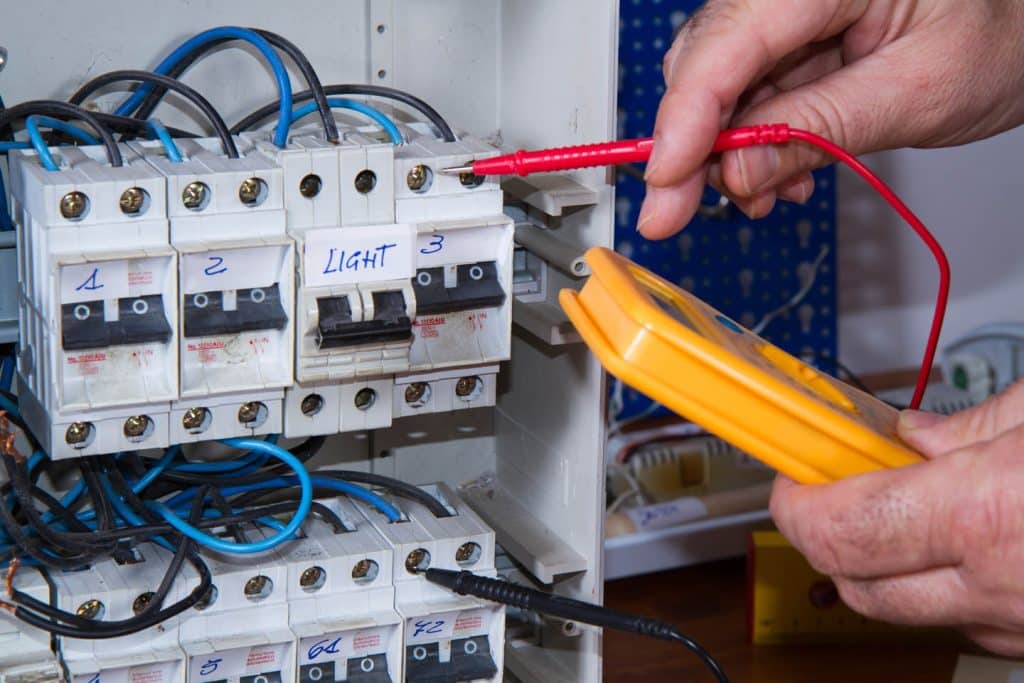
Licensed electricians use testing tools to locate hidden issues like short circuits, wiring damage, or faulty RCDs. Accurate diagnosis prevents recurring problems and ensures you’re fixing the real cause of tripping.
Safe Repairs and Upgrades
Electrical work must be performed correctly to keep you safe. From replacing faulty breakers to complete switchboard upgrades, licensed electricians ensure every job meets safety regulations.
Compliance with Australian Standards
In NSW, only licensed electricians can legally carry out electrical repairs. They work to AS/NZS 3000 standards, protecting you from fines, invalid insurance claims, or dangerous DIY fixes.
Emergency Call-Outs in Sydney
When urgent power restoration is needed, licensed electricians in Sydney provide rapid 24/7 call-out services. Powerhub Electrical offers same-day response and emergency assistance across the city, call 0400 332 331 anytime.
Fix Power Trips Safely
Power tripping might feel like a nuisance, but it’s actually your home’s way of telling you something is wrong. From overloaded circuits and faulty appliances to short circuits and outdated switchboards, there are many potential causes. Acting quickly protects your property and family from electrical fires or shock risks.
The safest way forward is to seek help from professionals. Call Powerhub Electrical, your trusted licensed electricians in Sydney, on 0400 332 331 for urgent repairs, inspections, and switchboard upgrades. Don’t ignore repeated tripping, it’s a sign your electrical system needs attention today.