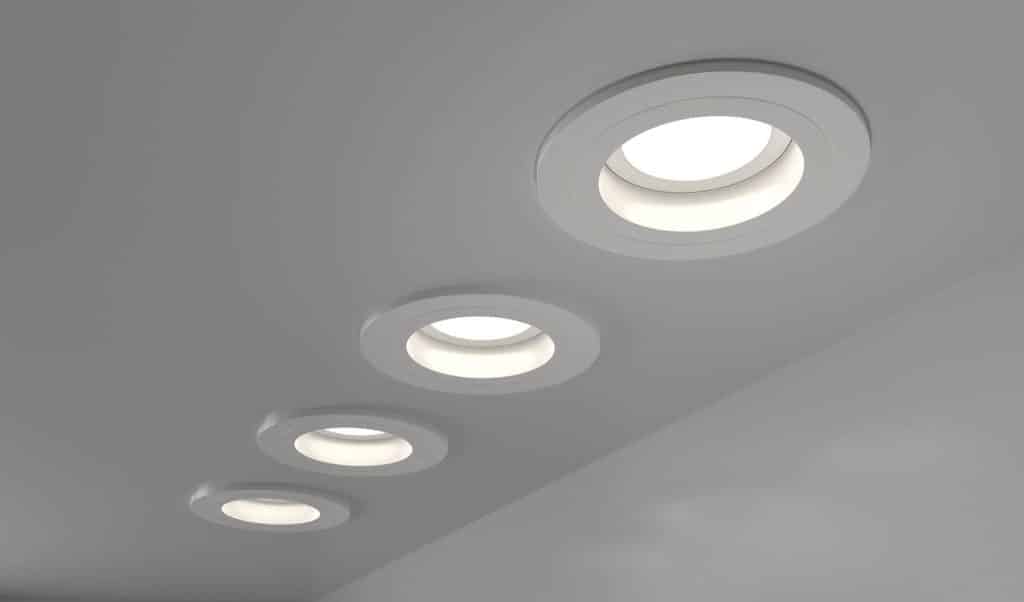
LED downlights flicker when the electrical current feeding them is interrupted or unstable. The most common causes are incompatible dimmer switches, faulty LED drivers, loose wiring connections, and ripple control signals on the NSW electricity network.
Flickering is not just annoying. It signals a mismatch or fault in the lighting circuit that can shorten the life of your downlights and, in some cases, indicate a wiring problem. PowerHub Electrical services homes across Parramatta, Epping, and surrounding suburbs. This guide covers why LED downlights flicker, how to diagnose the cause, and when you need a licensed electrician to fix it.
Why LED Downlights Flicker More Than Older Lights
LED downlights respond to changes in electrical current almost instantly. Unlike halogen or incandescent globes, which have a hot filament that glows steadily through brief power fluctuations, LEDs have no thermal lag. When the power supply wavers, you see it immediately as a flicker.
This is why so many homeowners across Parramatta and western Sydney notice flickering only after upgrading from halogen to LED. The flickering was likely happening before. The halogen filament just masked it. Based on the NSW Energy Savings Scheme, households that replace 20 halogen downlights with LED downlights can save up to $210 a year on electricity. But that saving only works when the rest of the lighting circuit is upgraded to match.
I regularly see homes in Epping and Carlingford where new LED downlights have been installed into old halogen dimmer circuits. The LEDs work, but they flicker at low brightness, flash when turned off, or strobe at certain times of night. In almost every case, the dimmer switch or driver is the problem, not the downlights themselves.
Under AS/NZS 3000:2018 (the Australian and New Zealand Wiring Rules), dimmer switches must be compatible with the connected load type. Installing LED downlights on a circuit with an old halogen dimmer does not meet this requirement.
Leading-Edge vs Trailing-Edge Dimmers: Why Compatibility Matters
The type of dimmer switch on your circuit is the single biggest factor in whether your LED downlights flicker. Here is how the two main dimmer types compare:
| Feature | Leading-Edge (Triac) Dimmer | Trailing-Edge Dimmer |
| Designed for | Halogen and incandescent globes | LED and low-wattage loads |
| Minimum load | Typically 40W or higher | As low as 2W to 10W |
| How it dims | Chops the front of the AC waveform | Chops the tail of the AC waveform |
| LED compatibility | Poor. Causes flickering, buzzing, and drop-out | Good. Smooth dimming down to low levels |
| Common brands in older homes | HPM, Clipsal 500 series, generic rotary | Clipsal Iconic, Diginet LEDsmart, SAL Pixie |
| Typical symptom with LEDs | Flickering at low dim, strobing, or lights won’t turn fully off | Smooth dimming with minimal or no flicker |
If your home in Dundas Valley or West Pennant Hills still has the original dimmer switches from a halogen installation, those dimmers were never designed for LED loads. Replacing them with LED-compatible trailing-edge dimmers is the first step to resolving flickering. A dimmer switch installation by a licensed electrician takes about 30 minutes per switch.
Common Causes of LED Downlight Flickering
LED downlights flicker for specific, diagnosable reasons. The cause is usually one of the following:
- Incompatible dimmer switch: This is the number one cause. A leading-edge dimmer designed for halogen loads cannot regulate the low wattage of LED downlights smoothly. The result is visible flickering, especially at lower brightness levels. If your downlights flicker only when dimmed, the dimmer is almost certainly the issue.
- Dimmer below minimum load: Every dimmer has a minimum wattage requirement. If your total LED load falls below it, the dimmer cannot maintain a stable output. For example, a dimmer rated for a minimum of 40W will struggle with four 8W LED downlights (32W total). The fix is either adding more lights to the circuit or replacing the dimmer with one rated for lower loads.
- Faulty or cheap LED driver: The driver is the small electronic component inside or attached to each downlight that converts mains power to the low voltage the LED chip needs. Cheap drivers with poor current regulation cause flickering, especially as they age. Quality brands like SAL, Philips, and Crompton use drivers with better capacitor ratings that resist flicker.
- Loose wiring connections: A loose wire at the light fitting, junction box, or switchboard creates intermittent contact. You’ll notice random, unpredictable flickering that doesn’t follow a pattern. This is a wiring fault that requires electrical fault finding by a qualified electrician.
- Voltage fluctuation from high-draw appliances: When a fridge, air conditioner, or pool pump kicks in, it draws a surge of current that briefly dips the voltage on shared circuits. LED downlights on the same circuit flicker for a split second each time. Homes in Telopea and Marsfield with older wiring and fewer circuits are more prone to this.
- Mixed LED brands on one dimmer: Different LED brands use different driver technologies. When mixed on the same dimmer circuit, some lights respond differently to the dimming signal. One brand may dim smoothly while another flickers at the same setting.
More: Why Do My LED Lights Keep Glowing When Turned Off?
The Ripple Control Problem in NSW
If your LED downlights flicker at the same time every night, usually between 10 pm and midnight, the cause is almost certainly ripple control. This is a uniquely Australian issue, primarily affecting homes in NSW and south-east Queensland.
What Ripple Control Is
Electricity distributors like Ausgrid and Endeavour Energy superimpose higher-frequency signals (750Hz or 1050Hz) onto the standard 50Hz mains supply. These signals remotely switch off-peak hot water systems and streetlights. The signal is broadcast across the local grid, which means every home in that area receives it, whether or not they have off-peak equipment.
How It Causes Flickering
Most LED drivers are designed to operate on a clean 50Hz supply. When the ripple signal arrives, it distorts the waveform. Some drivers interpret this distortion as a change in power, causing the LED chip to flicker. Downlights on dimmer circuits are especially vulnerable because the dimmer’s zero-cross detection gets confused by the additional frequency.
How to Fix It
The most effective solution is a ripple signal filter tuned to the frequency used in your area (750Hz or 1050Hz). These filters are installed on the affected lighting circuit at the switchboard. They must be matched to the local signal and installed by a licensed electrician. Your electrician can contact the local supply authority to confirm which frequency is in use in suburbs like Ryde, Macquarie Park, and Beecroft.
How to Tell If Your Dimmer Is the Problem
Before calling an electrician, there are a few diagnostic steps you can try yourself to narrow down the cause:
Turn the Dimmer to Full Brightness
If the flickering stops at 100% brightness and only appears when you dim below a certain level, the dimmer is the most likely cause. An old halogen-rated dimmer struggles to regulate LED loads at lower settings.
Swap One Downlight to a Different Fitting
Remove one flickering downlight and install it in a non-dimmed fitting elsewhere in the house. If it works without flickering, the issue is the circuit or dimmer, not the light itself. If it still flickers, the LED driver inside that specific downlight may be faulty.
Check the Timing
If the flickering happens at predictable times, usually late evening, it points to ripple control rather than a dimmer or wiring fault. Keep a note of when it occurs over a few days. Consistent timing is the strongest indicator.
Look at the Dimmer Label
Check your wall plate. If the dimmer is labelled “leading-edge,” “triac,” or simply “halogen,” it was not designed for LED loads. An LED-compatible dimmer installation resolves the issue in most cases.
Why Older Parramatta Homes Are More Prone to Flickering
LED downlight flickering is not distributed evenly. It follows patterns tied to housing age, original wiring, and the dimmer hardware that was standard at the time of construction. Several factors make homes across the Parramatta region more susceptible:
- Halogen-era dimmer circuits from the 1990s and 2000s: Many homes in Epping, Eastwood, and Carlingford were fitted with halogen downlight circuits during the renovation boom. These circuits came with leading-edge dimmers that are incompatible with LED replacements. The dimmers are still in the wall 20 years later.
- Old 12V MR16 transformer circuits: Some older homes still have low-voltage MR16 halogen circuits with electronic transformers. Fitting LED MR16 replacements into these circuits often causes flickering because the transformer’s minimum load is too high for the LED. The long-term fix is upgrading to integrated 240V LED downlights with a compatible driver. PowerHub Electrical recommends a full LED lighting installation rather than piecemeal globe swaps in these situations. For pensioners in the area, a 15% discount applies to all electrical work.
- Ausgrid and Endeavour Energy ripple signal zones: The Parramatta, Epping, and Ryde areas fall within Ausgrid’s distribution network. Ripple control signals in this zone use the 1050Hz frequency. Homes closer to substations in Denistone and Dundas Valley may experience stronger ripple signals, making flickering more pronounced.
- Ageing wiring connections in ceiling spaces: Homes built in the 1960s and 1970s in Pennant Hills, West Pennant Hills, and Beecroft may have original wiring junctions in the ceiling cavity. Over decades, these connections loosen and corrode, creating intermittent contact that causes LED downlights to flicker randomly.
More: Why Do My Lights Flicker and How to Fix It?
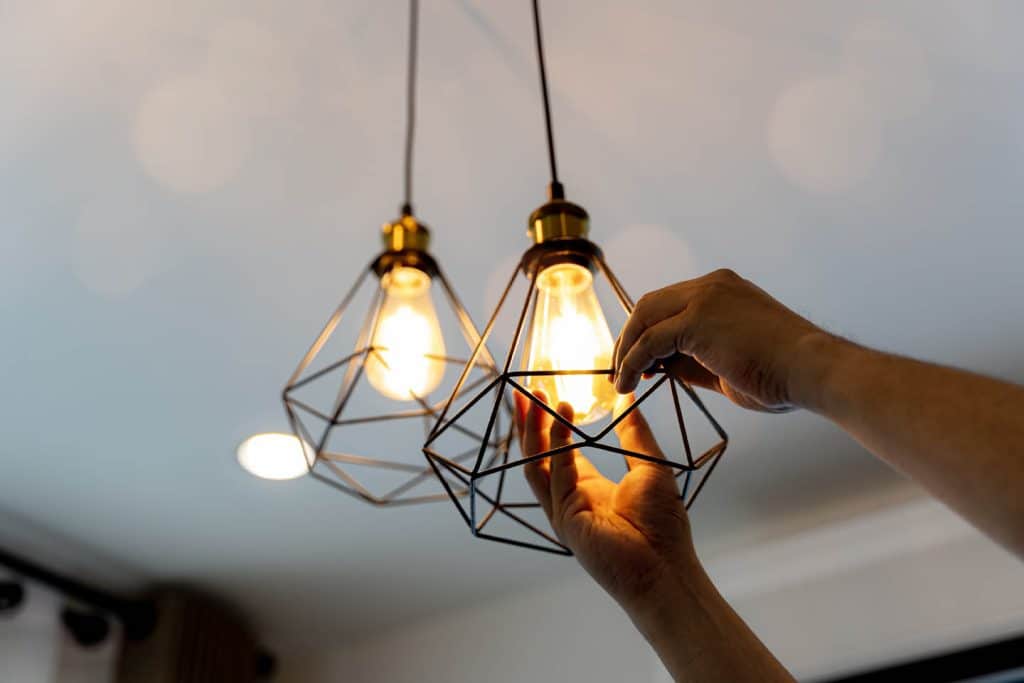
How a Licensed Electrician Fixes Flickering LED Downlights
When basic diagnostics don’t reveal the cause, a qualified 24/7 electrician uses a systematic approach to identify and resolve the fault. Here is what a thorough investigation involves:
Dimmer Compatibility Assessment
The electrician checks the existing dimmer type, its minimum and maximum load ratings, and whether it matches the total wattage of the LED downlights on the circuit. If the dimmer is incompatible, replacing it with a quality trailing-edge LED dimmer like the Diginet LEDsmart or Clipsal Iconic resolves flickering in most homes.
Driver and Fitting Inspection
Each downlight is inspected for driver condition, wiring integrity, and thermal stress. Downlights installed in insulated ceilings without a proper IC-4 rating can overheat, which degrades the driver and causes flickering over time. A recessed downlight installation with the correct IC rating prevents this.
Circuit Load Balancing
If high-draw appliances share the same circuit as the lighting, voltage dips will cause flickering. The electrician can add a dedicated lighting circuit or redistribute loads to isolate the downlights from appliances. According to Safe Work NSW, all electrical work must be carried out safely by appropriately licensed and supervised electricians.
Ripple Filter Installation
For homes affected by ripple control, the electrician installs a tuned notch filter on the lighting circuit at the switchboard. The filter must match the local frequency (750Hz or 1050Hz). After a recent full downlight replacement, the team received this feedback: “Brian was fantastic, did a great job at our place replacing all our downlights to LED and installing some external light. Fantastic service, very responsive and flexible. Would highly recommend to anyone needing an electrician!” Jackson Cox.
That kind of end-to-end service, from the downlights to the dimmer to the ripple filter, is what stops the flickering for good.
All electrical work in NSW must be followed by a Certificate of Compliance for Electrical Work (CCEW), as required under the Gas and Electricity (Consumer Safety) Act 2017. If your electrician doesn’t provide one, the work does not meet legal requirements.
How to Prevent LED Downlight Flickering
Most LED downlight flickering is preventable with the right hardware and installation approach. These steps reduce the likelihood of flickering from the start:
- Always install an LED-compatible dimmer: When upgrading from halogen to LED, replace the dimmer at the same time. A trailing-edge dimmer rated for LED loads is essential. Spending $30 on a dimmer upgrade avoids hundreds in call-out fees later.
- Match brands across each dimmer circuit: Use the same brand and model of LED downlight on every fitting controlled by one dimmer. Mixed brands respond differently to the dimming signal and create inconsistent behaviour.
- Choose quality LED downlights with reputable drivers: Cheap imports with low-grade drivers are the most common source of flickering after dimmer issues. Look for Australian-certified products (SAA/RCM approved) from brands like SAL, Philips, or Crompton.
- Upgrade old 12V MR16 circuits to 240V integrated LEDs: If your home still runs low-voltage halogen circuits with separate transformers, a full upgrade to integrated 240V LED downlights eliminates the transformer mismatch entirely.
- Ask about ripple control in your area: If you’re in the Ausgrid or Endeavour Energy network (covering most of Sydney), ask your electrician whether ripple control affects your suburb. A filter installed during the initial LED upgrade saves a return visit. New customers receive $50 off their first service.
- Have wiring connections checked during any lighting upgrade: Loose or corroded connections in the ceiling space cause intermittent flickering that is hard to trace after the job is complete. A thorough connection check during installation prevents callbacks.

Areas We Service
PowerHub Electrical services homes and businesses across Parramatta and the greater western Sydney region, including Epping, Carlingford, Ryde, Eastwood, Beecroft, Dundas Valley, West Ryde, Marsfield, Macquarie Park, Pennant Hills, Denistone, Telopea, West Pennant Hills, Turramurra, and Melrose Park.
Book a Downlight Flickering Inspection Today
If your LED downlights keep flickering and you can’t find the cause, call PowerHub Electrical on 0400 332 331. Licensed electricians, same-day service, 24/7 emergency response, and a 15% pensioner discount on all work. $50 off your first service.
Frequently Asked Questions
Can a dimmer switch cause LED downlights to flicker?
Yes. An old, leading-edge dimmer designed for halogen loads is the most common cause of LED downlight flickering. Replacing it with a trailing-edge, LED-compatible dimmer resolves the issue in most cases.
Why do my LED downlights flicker at the same time every night?
This is almost always caused by ripple control signals on the NSW electricity network. Distributors like Ausgrid and Endeavour Energy send higher-frequency signals to control off-peak hot water systems. A ripple filter installed on your lighting circuit fixes this.
Are flickering LED downlights dangerous?
Flickering from a dimmer mismatch is not typically a fire risk, but it does shorten the life of your LED drivers. Flickering from loose wiring connections is more serious and should be inspected by a licensed electrician in Parramatta or Epping promptly.
What type of dimmer switch do I need for LED downlights?
You need a trailing-edge dimmer rated for the wattage of your LED circuit. Check that the total LED load falls within the dimmer’s minimum and maximum range. Brands like Diginet, Clipsal Iconic, and SAL Pixie are designed specifically for LED loads.
Why do my LED downlights flicker only on low brightness?
The dimmer cannot regulate the small amount of current required at low dim levels. This is a classic sign of a leading-edge dimmer on an LED circuit. A trailing-edge dimmer with a lower minimum load will dim smoothly without flicker.
Do I need an electrician to fix flickering LED downlights?
If the flickering is caused by a dimmer, wiring fault, or ripple control, yes. In NSW, only a licensed electrician can legally carry out electrical wiring work, including replacing dimmer switches and installing ripple filters.