Electric vehicles are becoming common across Western Sydney, and many homeowners now consider EV charger installation Parramatta properties need to support daily charging. Older homes, units, and townhouses often lack the electrical capacity required. Choosing the right charger, understanding power limits, and installing safely helps avoid electrical faults, compliance issues, and unnecessary costs later.
Installing an EV charger is not just about convenience. It involves electrical capacity, safety systems, and Australian compliance rules. This guide explains how EV chargers work, what different properties require, and when professional advice ensures long-term safety and reliable charging at home.
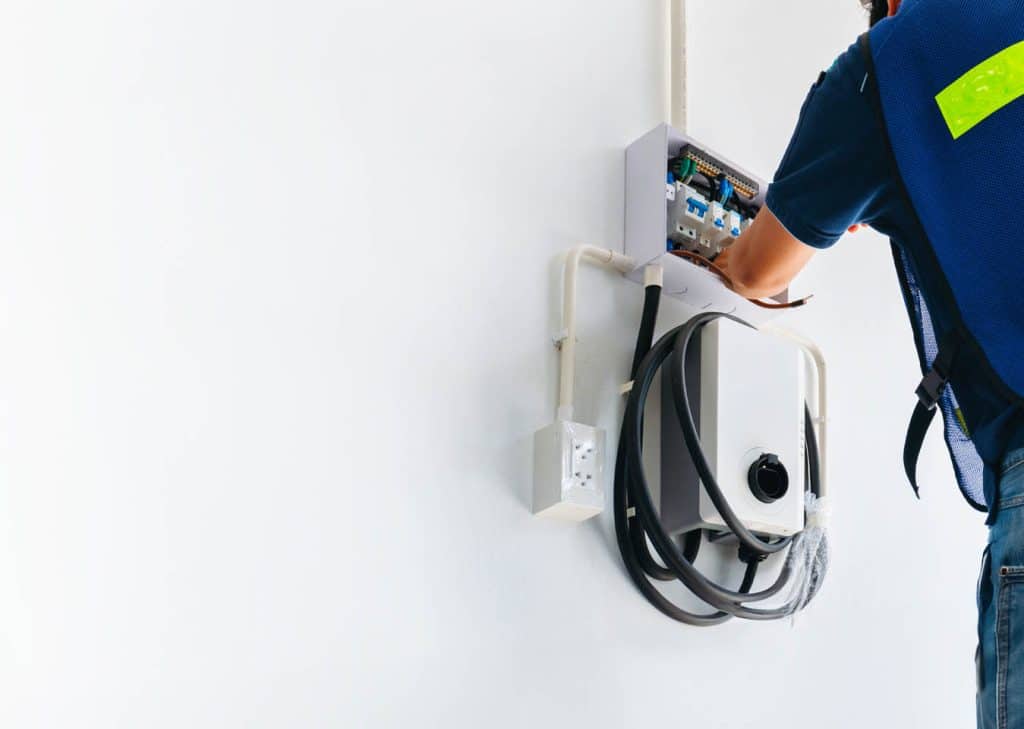
Why EV Charger Installation Is Becoming Essential in Parramatta
Electric vehicle ownership is growing rapidly across Parramatta. Public charging is limited and often inconvenient. Home charging provides reliability and cost control. Without proper planning, however, electrical systems can become overloaded. Understanding installation requirements early helps homeowners identify and avoid faults, delays, and expensive retrofits as EV use increases.
How Home EV Chargers Work
Home EV chargers deliver controlled power to your vehicle through a dedicated circuit. This section explains charger types, charging speeds, and built-in safety features so homeowners understand how systems operate and why correct installation matters for long-term reliability:
Charger Types Explained
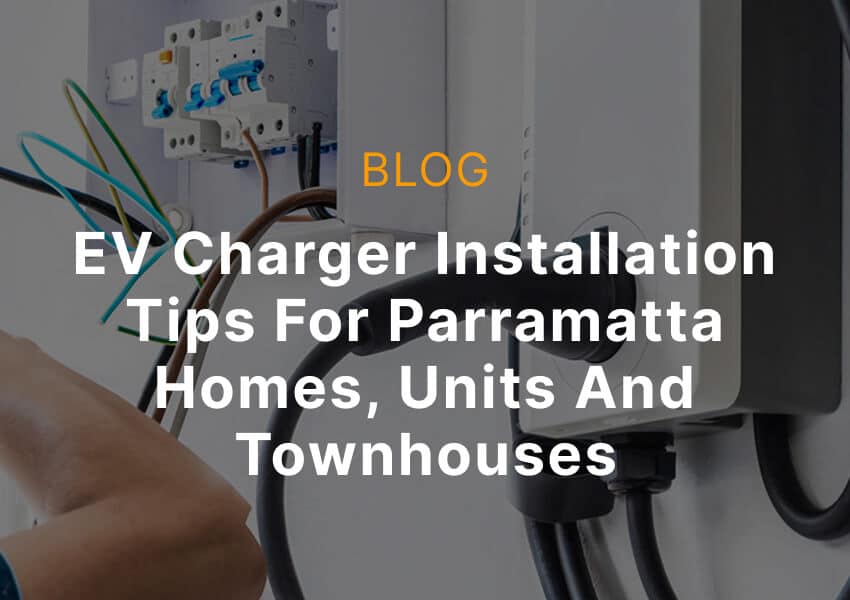
Most residential setups involve electric car charger installation using wall-mounted units. These chargers connect directly to your switchboard through a dedicated circuit. They offer faster and safer charging than standard power points. Choosing the correct charger depends on vehicle requirements, available power supply, and future usage needs.
Charging Speeds and Daily Use
Charging speed depends on charger capacity and electrical supply. Faster charging reduces downtime but increases load. Matching charging speed to daily driving habits prevents unnecessary strain on household electrical systems. Oversized chargers without proper assessment can create avoidable electrical stress.
Safety and Power Control
Modern EV chargers include safety features that regulate current flow and shut down during faults. These protections prevent overheating and electrical damage. Proper installation ensures safety features function correctly and integrate with existing household protection devices.
Choosing the Right EV Charger for Your Property
Not every property suits the same charger type. This section explains how property style, electrical capacity, and future planning influence charger selection for homes, units, and townhouses across Parramatta:
Detached Homes
Detached houses often provide flexibility for home ev charger parramatta installations. Driveway access and private garages simplify cabling and charger placement. Even so, switchboard capacity and existing loads must be assessed to ensure safe operation without affecting other household circuits.
Units and Townhouses
Installing an ev charger for units and townhouses requires careful planning. Shared infrastructure, limited space, and strata rules affect feasibility. Load management and approval processes help ensure chargers operate safely without impacting neighbours or common electrical systems.
Future-Proofing Your Setup
Future-proofing considers additional vehicles, faster chargers, and evolving standards. Selecting scalable equipment and allowing for electrical upgrades avoids repeated work. Planning ahead reduces long-term costs and minimises disruption as EV ownership expands.

Single Phase vs Three Phase Charging Explained
Electrical supply type directly affects charging performance. This section explains the difference between single and three phase power, how each impacts charging speed, and why understanding supply type prevents costly mistakes:
Single Phase Charging
Single phase power is common in residential properties. It supports basic EV charging but limits speed. For many drivers, overnight charging is sufficient. However, higher-capacity chargers may overload circuits without proper electrical assessment and upgrades.
Three Phase Charging
Three phase power supports faster charging and higher loads. It is less common in residential areas but may exist in newer developments. Three phase setups reduce charging time significantly but require compatible chargers and suitable infrastructure.
Choosing the Right Supply
Understanding single phase vs three phase ev charging helps homeowners select realistic charging options. Professional assessment determines whether upgrades are practical or necessary. Choosing incorrectly can lead to underperformance or expensive electrical modifications.
Switchboard and Electrical Capacity Considerations
EV chargers add sustained electrical load. This section explains how switchboards handle additional demand, why capacity matters, and when upgrades or load management become necessary to maintain safe operation:
Existing Switchboard Limits
Many older switchboards were not designed for continuous high loads. Adding an EV charger can push systems beyond safe limits. Signs include frequent tripping, heat buildup, or voltage drops. These issues require assessment before installation proceeds.
Safety and Compliance Checks
Professional switchboard checks for ev charger installations verify capacity, protection devices, and wiring condition. Compliance with Australian electrical standards ensures safety switches and circuit protection operate correctly under EV charging loads.
Load Management Options
Load management systems balance EV charging with household usage. They prevent overload by adjusting charging rates during peak demand. These systems reduce the need for major upgrades while maintaining safe operation across the property.

Installing EV Chargers in Strata and Shared Properties
Shared living adds approval steps and technical constraints. This section explains how approvals work, how shared power affects charger performance, and why compliance planning is essential to protect residents, infrastructure, and ongoing access to charging:
Approval and Planning
A strata ev charger installation usually requires written approval and clear installation plans. Strata committees assess cabling routes, fire safety, and electrical impact. Early engagement reduces delays and ensures the solution aligns with building rules and shared infrastructure limitations.
Shared Power Challenges
Shared switchboards and mains supplies limit available capacity. Without careful planning, chargers can overload common circuits. Load management and metering options help balance access fairly while protecting essential services throughout the building.
Compliance Responsibilities
Responsibility often splits between owners and strata. Installations must meet current standards to protect all residents. Clear documentation and certified work reduce disputes, simplify approvals, and ensure long-term safety across shared properties.
EV Charger Installation Safety and Australian Standards
EV chargers must comply with Australian wiring rules and safety regulations. These standards cover dedicated circuits, protection devices, earthing, and testing. Authoritative guidance from national electrical standards bodies explains how compliance reduces fire risk, prevents electric shock, and ensures installations remain insurable. Following these requirements protects occupants and supports safe, reliable charging over time. This is where many EV charger installation Parramatta projects succeed or fail.
Why Professional Installation Matters
EV chargers draw sustained electrical load and require precise installation. An ev charger installation electrician understands circuit protection, load balancing, and testing requirements. Professional installation by a licensed electrician reduces fault risk, avoids voided warranties, and ensures chargers operate safely under daily use without compromising household systems.
Tesla and Brand-Specific Charger Considerations
Different vehicles have unique charging requirements. tesla charger installation parramatta homes often involves brand-specific equipment and software settings. Compatibility, firmware updates, and power limits must be configured correctly. Professional setup ensures chargers integrate smoothly with home systems and deliver expected performance.

Need Help with EV Charger Installation in Parramatta?
If you are planning to charge at home or in a shared property, expert advice makes the process smoother. Powerhub Electrical is based in Epping and services Parramatta and surrounding suburbs. The team assesses capacity, approvals, and compliance before installation begins. A well-planned EV charger installation Parramatta homeowners choose reduces risk, avoids rework, and supports long-term EV ownership.
For clear advice and safe solutions, contact Powerhub Electrical on 0400 332 331 to discuss a compliant EV charger installation Parramatta residents can rely on for daily charging confidence.