Living in units and apartments often means dealing with shared electrical systems, ageing infrastructure, and limited upgrade options. electrical problems in Parramatta buildings are common due to older wiring, higher load demands, and strata-managed systems. Understanding these issues helps residents spot warning signs early, reduce safety risks, and avoid costly damage. Knowing when to seek professional help protects both your apartment and neighbouring units.
Electrical faults in apartments rarely affect just one dwelling. A single issue can impact multiple residents, shared services, or fire safety systems. This article explains common electrical issues found in Parramatta units, why they occur, how to identify electrical risks early, and when professional intervention is essential to maintain safety and compliance.

Why Electrical Problems Are More Common in Units and Apartments
Units and apartments share power infrastructure, which increases complexity and fault exposure. Wiring routes through multiple dwellings, common switchboards supply several circuits, and upgrades often depend on strata approval. As electrical demand grows, older systems struggle to cope.
Many apartment buildings were not designed for modern appliance loads. This leads to repeated faults, nuisance tripping, and hidden deterioration. Without early attention, small issues escalate into safety hazards that affect entire buildings, not just individual units.
Older Electrical Infrastructure in Parramatta Apartments
Many apartment buildings in Parramatta were constructed decades ago, before modern electrical loads became standard. Ageing systems, limited capacity, and delayed upgrades combine to create persistent faults that compromise safety and reliability across multiple dwellings:
Ageing Wiring Systems
old wiring in apartments often consists of materials that degrade over time. Insulation becomes brittle, connections loosen, and resistance increases. These conditions raise fire risk and reduce system reliability. Warning signs include burning smells, warm outlets, and frequent circuit interruptions that require professional assessment.
Limited Capacity Design
Older electrical designs assumed minimal appliance use. Modern apartments now rely on air conditioners, induction cooktops, and multiple electronic devices. When systems exceed their designed capacity, circuits overload, protection devices trip, and wiring stress accelerates, increasing the likelihood of faults and failures.
Deferred Upgrades
Strata-managed buildings often delay electrical upgrades due to cost or coordination challenges. Deferred maintenance allows small issues to worsen. Over time, neglected systems pose safety risks, fail compliance checks, and create expensive emergency electrical repairs that disrupt residents and building operations.
Power Tripping and Circuit Overloads Explained
Power interruptions in apartments usually indicate deeper electrical issues rather than isolated faults. Shared circuits, outdated protection devices, and high demand loads all contribute to repeated tripping and unstable supply conditions that require careful diagnosis:
Repeated Circuit Trips
When power keeps tripping in apartment settings, it often signals overloaded circuits or deteriorating wiring. Circuit breakers trip to prevent overheating and fire. Ignoring repeated trips increases risk. Professional testing identifies whether the issue stems from appliance load, wiring faults, or shared supply limitations.
Overloaded Power Usage
Using multiple appliances on limited circuits leads to overloaded power points in units. Power boards and extension leads compound the issue. Overloading causes heat buildup, socket damage, and fire risk. Proper and outlet planning reduce strain and improve long term safety.
Shared Circuit Complications
Many apartments share electrical pathways through common walls or risers. A fault in one unit can affect others. Diagnosing shared circuit issues requires experience and coordination to ensure repairs isolate faults without disrupting neighbouring dwellings or shared services.
Flickering Lights and Unstable Power Supply
Flickering lights often seem minor, but they indicate electrical instability that should never be ignored. In apartment settings, these symptoms can signal loose connections, voltage issues, or shared supply problems affecting multiple units:
Loose or Degraded Connections
When lights flickering in unit situations occur, loose terminals or deteriorated wiring are common causes. Flickering stresses light fittings and connected devices. Left unchecked, it increases heat at connection points and accelerates wiring failure, creating fire and shock risks.
Voltage Fluctuations
Voltage fluctuations damage appliances and shorten equipment lifespan. In apartments, unstable voltage may result from shared loads or supply faults. Professional testing determines whether the issue originates within the unit or the broader building network, guiding safe corrective action.
Safety Switch Problems in Apartment Buildings
Safety switches protect residents from electric shock and fire, but apartment systems introduce complexity. Shared protection devices and multiple circuits make fault isolation more challenging, increasing the importance of accurate diagnosis and compliant repairs:
Shared Safety Devices
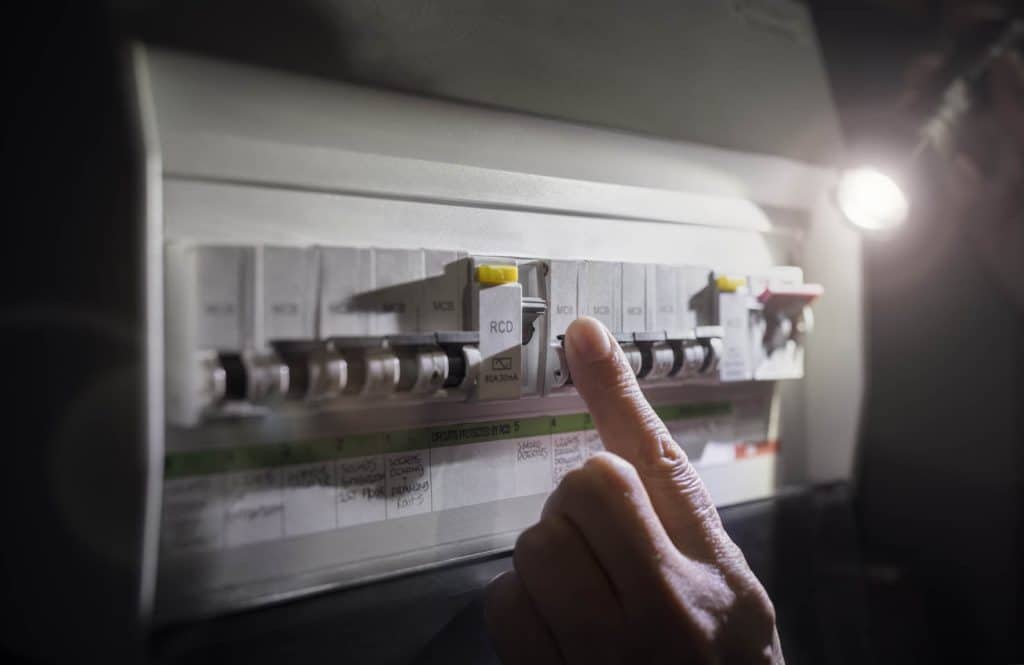
When a safety switch keeps tripping in apartment environments, the fault may exist in another unit or common area. Shared devices complicate troubleshooting. Incorrect assumptions can lead to repeated outages or unsafe resets that mask underlying hazards.
Fault Isolation Challenges
Isolating faults in apartment buildings requires methodical testing and coordination. Incorrect isolation risks leaving circuits unprotected or energised during repairs. Licensed electricians follow structured procedures to identify faults without compromising resident safety or system integrity.
The Hidden Risks of Poor Electrical Safety in Apartments
Electrical issues in apartments extend beyond inconvenience. Poor maintenance, unreported faults, and shared infrastructure can expose entire buildings to safety risks. Understanding these risks helps residents recognise when professional intervention is necessary to protect lives, property, and compliance obligations:
Fire Risk and Smoke Spread
Electrical faults are a leading cause of residential fires. In apartment buildings, fire and smoke spread quickly through shared cavities and corridors. Minor faults can escalate rapidly, placing multiple households at risk before alarms activate or evacuation begins.
Insurance and Compliance Issues
Non-compliant electrical work can void insurance coverage after an incident. Australian standards require strict installation and maintenance practices. Guidance from national wiring rules and electrical safety authorities highlights why compliance protects residents financially and legally when incidents occur.
Resident Responsibility vs Strata
Responsibility often splits between residents and strata management. Internal wiring may be the resident’s responsibility, while mains and common systems fall under strata control. Misunderstanding this division delays repairs and increases exposure to safety breaches and liability concerns. Maintaining electrical safety in apartments depends on clear communication and timely action.

How Common Unit Electrical Problems Are Misdiagnosed
Many apartment residents attempt quick fixes or rely on unqualified advice. common electrical problems apartments face are often misdiagnosed because symptoms appear minor or intermittent. Resetting breakers or swapping appliances can mask deeper wiring faults. These shortcuts delay proper repairs and allow hazards to worsen silently behind walls and ceilings.
When Electrical Problems in Units Need Immediate Attention
Some warning signs demand urgent action. Burning smells, buzzing sounds, sparks, or repeated outages indicate serious faults. electrical problems in units rarely resolve on their own and often worsen under load. Immediate professional assessment prevents fire risk, electric shock, and damage to shared building systems.
Why Electrical Problems in Parramatta Apartments Should Never Be Ignored
Ignoring faults increases risk over time. What starts as nuisance tripping or flickering lights often indicates system stress. electrical problems in Parramatta apartments commonly stem from ageing infrastructure combined with modern demand. Early diagnosis limits disruption, protects neighbouring units, and avoids costly emergency repairs that affect entire buildings.
Understanding Compliance and NSW Electrical Standards
Electrical work in NSW must meet strict safety and installation standards. These rules exist to prevent injury, fire, and property damage. Authoritative guidance from NSW Fair Trading and Australian electrical standards bodies outlines clear requirements for testing, protection, and installation. Following these standards ensures repairs remain safe, legal, and insurable while maintaining building integrity for residents and owners.

Need an Expert to Resolve Electrical Problems Safely?
If you are dealing with ongoing faults, unexplained outages, or safety concerns, professional support makes the difference. Powerhub Electrical is based in Epping and services Parramatta and surrounding suburbs. The team specialises in diagnosing and resolving electrical problems in Parramatta units and apartments with a focus on safety, compliance, and clear communication.
Call 0400 332 331 to speak with a licensed electrician who understands apartment systems and can restore safe, reliable power without unnecessary disruption.