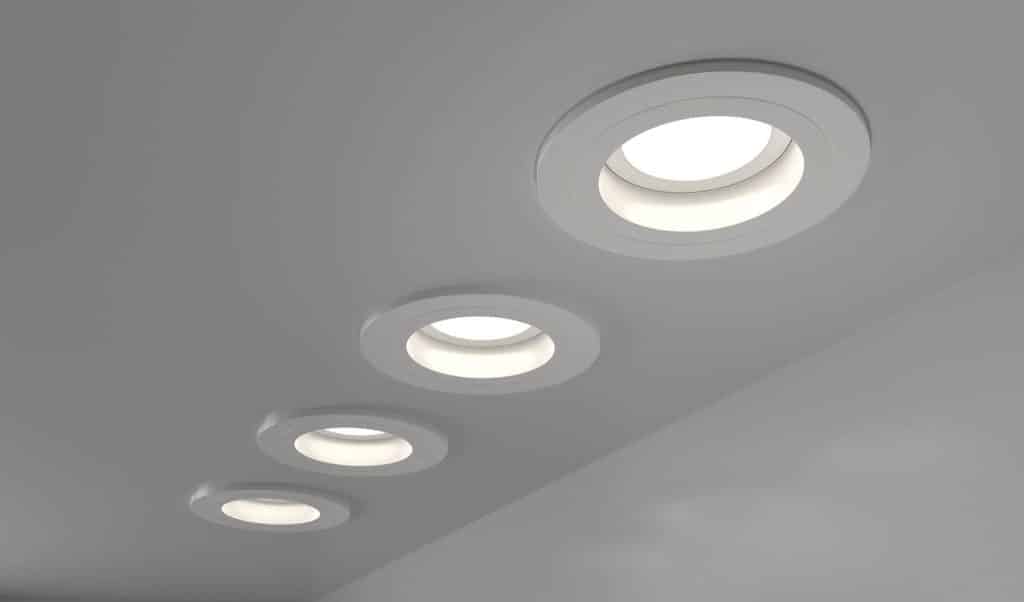
Choosing the right number of downlights can significantly change how a room feels and functions, especially when you need even, comfortable lighting throughout your home. If you have ever asked how many downlights do i need, the answer depends on room size, ceiling height, and lighting purpose. This guide helps you plan lighting installations that suit your space.
Understanding how many downlights do i need involves more than guessing a number. Room layout, lighting tasks, spacing rules, and brightness levels all influence how your downlight plan performs. This blog explains the essential principles and provides practical examples so you can confidently design balanced, safe, and effective lighting for any room in your home.
Understanding the Basics of Downlight Planning
Lighting design begins with understanding how brightness, spacing, purpose, and room dimensions work together, helping you choose the right number of fittings for functional and comfortable illumination:
Light Output and Room Size
Each room requires a specific level of brightness, measured in lumens, to feel comfortable and well lit. Larger rooms need more fixtures because light must spread evenly across the area. Smaller spaces may only need a few fittings to achieve the same effect. Understanding lumens helps you avoid spaces that feel dim or overly bright.
Ceiling Height Considerations
Ceiling height affects both the intensity and spread of light across a room. Higher ceilings allow light to disperse further, which may require either brighter fittings or installing additional downlights to maintain coverage. Lower ceilings usually need fewer lights, as the beam reaches surfaces more quickly. Adjusting for ceiling height leads to more consistent lighting.
Purpose of the Room
Different rooms require different lighting styles depending on their function. Living areas often need softer ambient lighting, while kitchens and workspaces benefit from brighter task lighting. Bedrooms require warmth and subtlety rather than intense brightness. Matching lighting levels to each room’s purpose ensures functionality and comfort throughout your home.
Using a Downlight Spacing Guide for Accurate Planning
Spacing your downlights correctly creates even illumination, prevents dark corners, and avoids glare, helping you achieve a balanced lighting layout that works for every room in your home:
Calculating Optimal Spacing
Correct spacing prevents clustered or uneven lighting. A common rule is spacing fixtures at equal distances and keeping each light an appropriate distance from walls. This is where a downlight spacing guide becomes helpful, allowing you to plan coverage that avoids overlighting or underlighting. Tools like charts and simple formulas make this much easier.
Avoiding Shadows and Glare
Incorrect placement often leads to shadows around furniture or glare on glossy surfaces. Understanding how far apart should downlights be helps minimise these issues, ensuring light spreads evenly. Avoid placing downlights directly above reflective areas or too close to corners. Proper spacing naturally reduces shadowing and improves visual comfort in every room.
Matching Lumens to Room Needs
Even spacing means little if the downlights are too dim or too bright for the room. Lumens determine how much brightness each light provides, and choosing the right output ensures your spacing efforts are worthwhile. Selecting fittings with suitable brightness levels helps you achieve balanced lighting while avoiding unnecessarily high energy usage.
How Many Downlights Do I Need in Common Household Rooms?
Every room in your home has unique lighting requirements based on size, layout, and the activities performed there, so understanding these differences helps you select the right number of downlights for each area:
Living Room Lighting Needs
Living rooms benefit from flexible lighting that supports relaxation and entertainment. The number of fittings often depends on room size and how you plan to use the space. Some homeowners ask how many led lights per room because living areas can range from small lounge rooms to large open spaces requiring layered lighting for comfort and visibility.
Bedroom Downlight Calculation
Bedrooms need soft, warm lighting, avoiding harsh brightness that disrupts rest. Placement matters just as much as quantity, ensuring light does not shine directly on the bed. The question of how many downlights in bedroom depends on size and preferred atmosphere, with many people choosing fewer fittings to maintain a calming environment.
Kitchen Downlight Calculation
Kitchens require bright, focused lighting for cooking, food preparation, and safety. Downlights positioned over benchtops deliver excellent task lighting, while additional fittings may be needed for general illumination. Avoid shadows by spacing lights evenly across the work areas. Properly placed lighting increases both visibility and functionality in the busiest room of the home.
Bathroom and Wet Areas
Bathrooms need lighting that works safely around moisture, making IP rated fittings essential. Proper placement reduces shadows around mirrors and ensures visibility in showers and vanity areas. When planning lighting for wet spaces, compliance with Australian safety guidelines is critical, and this is an ideal position for linking to official electrical standards for homeowner reference.
How Many LED Downlights per Room? Practical Examples
Planning downlights becomes easier when you apply real examples to typical Australian room sizes, helping you calculate the number of fittings needed for different types of spaces across your home:
Small Rooms Under 10 Square Metres
Small rooms often need fewer fittings, but the lighting must still be even and functional. Many homeowners search for how many led downlights per room for compact areas because correct placement reduces shadows and improves brightness. Using one or two well positioned fittings is usually enough, especially when you choose downlights with strong lumen output.
Medium Rooms Between 10 and 20 Square Metres
Medium sized rooms often require several fittings to achieve balanced illumination. The key is consistent spacing and selecting the right brightness level for the room’s purpose. Placing downlights evenly across the ceiling helps prevent dark spots and glare. These rooms benefit from a layout that supports both general lighting and practical everyday activities.
Large Open Plan Areas
Large combined spaces need thoughtful lighting plans because different zones often require different brightness levels. You may need more fittings to provide comfortable, usable lighting. Lighting designs for open areas should consider furniture placement and task areas to maintain balance. Layered lighting works well in these spaces, combining multiple fittings to enhance visibility and comfort.
Recommended Downlight Spacing for Balanced Lighting
Correct spacing ensures your downlights produce consistent brightness, minimise shadows, and provide comfortable illumination across all parts of a room:
Beam Angle Effect on Spacing
Beam angle influences how widely light spreads, affecting both brightness and coverage. Narrow beams create focused lighting for tasks, while wider beams distribute light evenly. Choosing the right beam angle ensures more accurate spacing. Understanding this helps you avoid dark patches and overly bright areas, creating a smoother lighting appearance throughout your home.
Avoiding Overcrowding
Adding too many fittings can create glare and unnecessary heat while increasing energy usage. Good lighting design avoids placing downlights too close together or using more fittings than needed. Many people search for recommended downlight spacing to prevent overcrowding, ensuring the final layout feels balanced and visually comfortable.
Adjusting for Furniture and Layout
Furniture, artwork, and room features influence how light spreads across a space. Brightness must work around these elements to avoid shadows or glare. Planning your layout with these considerations helps you create lighting that enhances the room rather than disrupting it. This ensures your lighting plan remains practical, efficient, and visually appealing.

Safety, Compliance, and Australian Electrical Standards
Safe lighting installation involves understanding insulation requirements, electrical load limits, and legal regulations that guide homeowners in creating lighting layouts that comply with Australian safety expectations:
Insulation Clearance and Fire Safety
Downlights require adequate clearance from insulation to prevent heat build up and reduce fire risk. Choosing appropriately rated fittings protects your home and improves energy efficiency. Australian guidelines outline how much clearance is necessary for safe installation. Linking to official regulations here provides homeowners with reliable information for safe and compliant lighting design.
Electrical Load and Switchboard Capacity
The number of lights you install directly affects your electrical load. Older switchboards or overloaded circuits may struggle to support additional fittings. Checking capacity before installation prevents tripping and electrical issues. Understanding load limits helps you plan safely, especially when adding multiple fixtures across several rooms in your home.
When to Call a Licensed Electrician
If you are unsure about spacing, safety, or wiring, calling a licensed electrician ensures a compliant installation. They assess room conditions and ceiling access, recommend safe layouts, and complete the work to Australian standards. This is another effective point for linking to official electrical regulations, helping homeowners understand legal requirements for safe installation.
Common Mistakes When Planning Downlights
Many homeowners make similar mistakes when installing downlights, and understanding these helps you avoid future problems. One common issue is using too many lights, creating glare or wasting energy. Another is placing fittings too close to walls or furniture, resulting in uneven lighting.
Incorrect ceiling height planning also leads to inconsistent brightness. Some people miscalculate quantities because they do not know how many downlights per room australia typically requires, while others overlook insulation clearance or safety ratings. Avoiding these mistakes improves lighting performance, enhances comfort, and reduces maintenance issues.
Final Tips to Help You Choose the Right Number of Downlights
Choosing the right number of downlights becomes easier when you combine spacing rules, brightness levels, and room function. Start by assessing your layout and identifying where you need task lighting versus ambient lighting. Use spacing guidelines to avoid shadows and ensure light spreads evenly. If you still wonder how many downlights do i need, consider ceiling height and furniture placement as well.
Adjust your plan according to natural light, personal preference, and safety considerations. Examining real examples helps you refine your design and avoid common errors. In many cases, professional help ensures your downlight layout meets Australian requirements and performs reliably for years.

Need Help Planning the Perfect Downlight Layout?
If you want professional guidance choosing the right number of downlights, expert help ensures safe installation and balanced lighting in your home. Before deciding how many downlights do i need, speaking with a licensed electrician provides clarity on spacing, compliance, and design.
Powerhub Electrical offers personalised lighting plans, safe installation, and practical advice for homes across Epping and Parramatta. Call 0400 332 331 to schedule your consultation with a trusted local professional who can help you create comfortable, efficient lighting with confidence.