Exhaust Fans
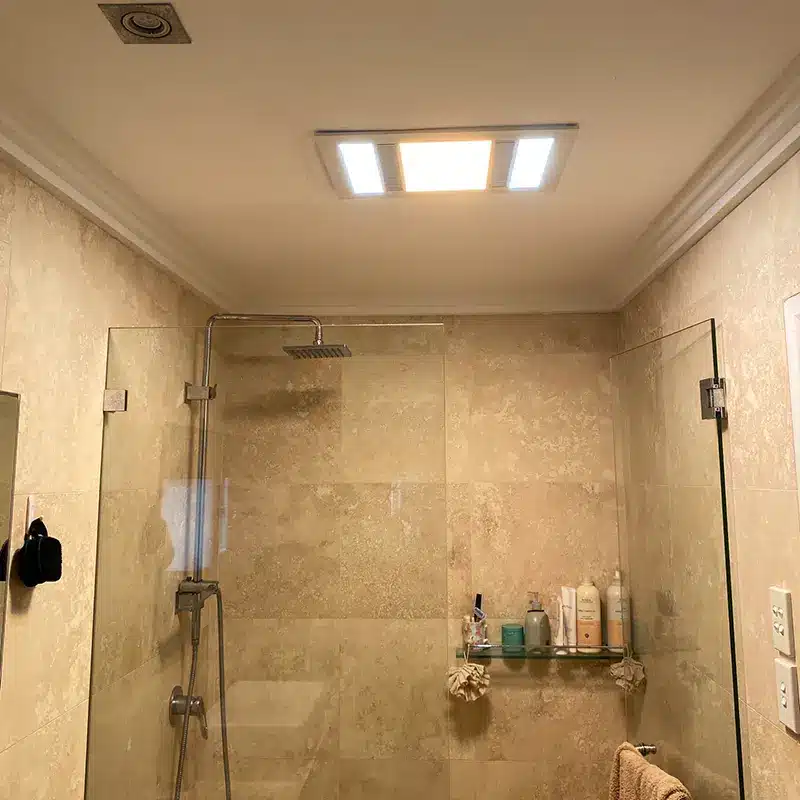
Keep Your Bathroom Smelling Fresh:
The Importance of Ceiling Exhaust Fans
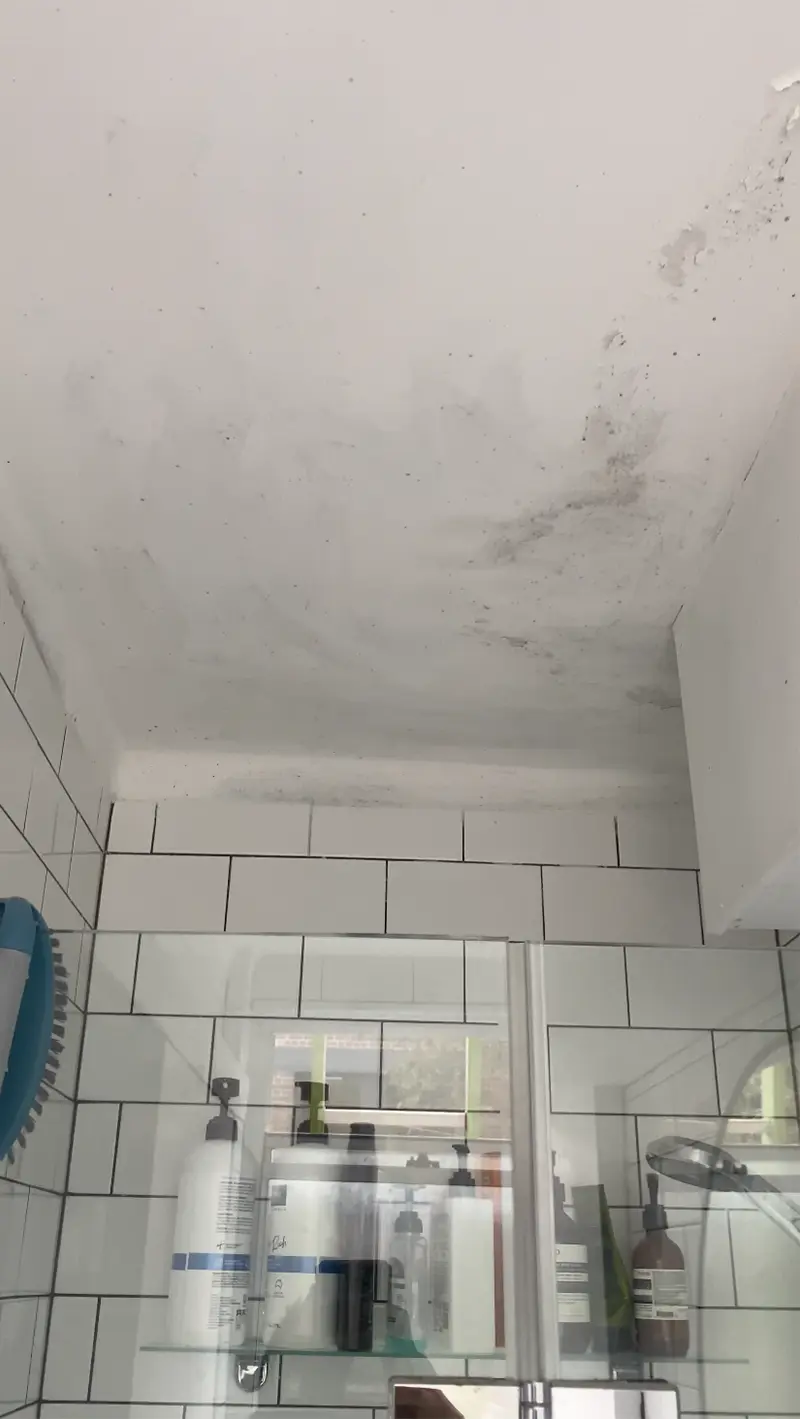
Bathrooms are often the wettest rooms in the house, making them prime environments for mould and mildew growth.
One of the best ways to combat this issue is by installing a ceiling exhaust fan.
These fans not only help keep your bathroom smelling fresh but also play a crucial role in maintaining a healthy and safe environment for that end of the day 30 minute hot shower!
What are the types of exhaust fans?
Selecting the appropriate exhaust fan for your bathroom depends on several factors, including the size of your space, the level of moisture, and your specific requirements. Here are some popular options to consider:
– In-line Fan: These fans are installed within the ductwork and are excellent for larger bathrooms or situations where noise reduction is a priority. They effectively pull air from multiple vents, making them a versatile choice.
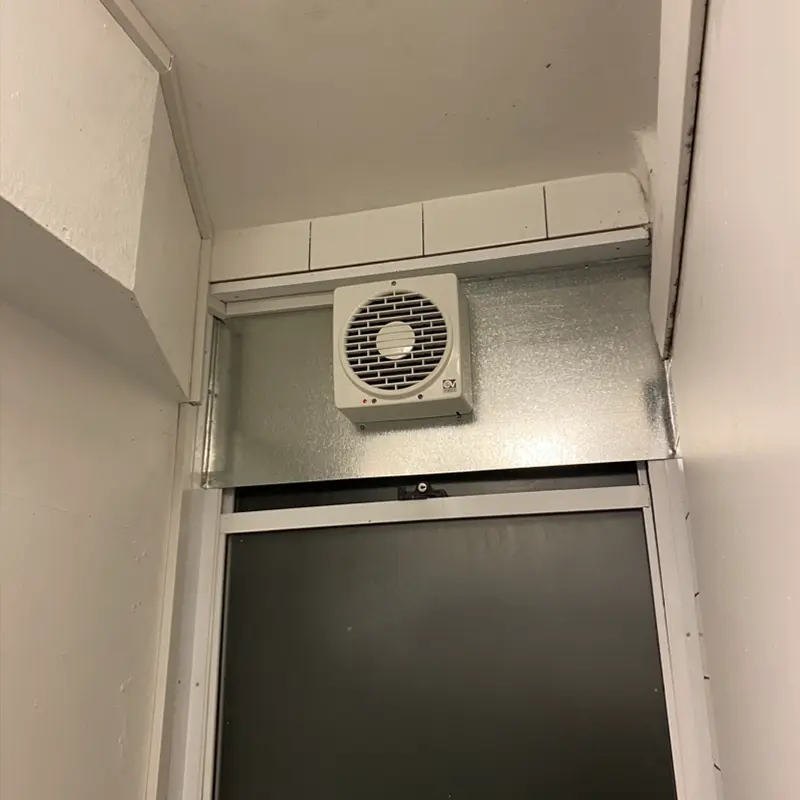
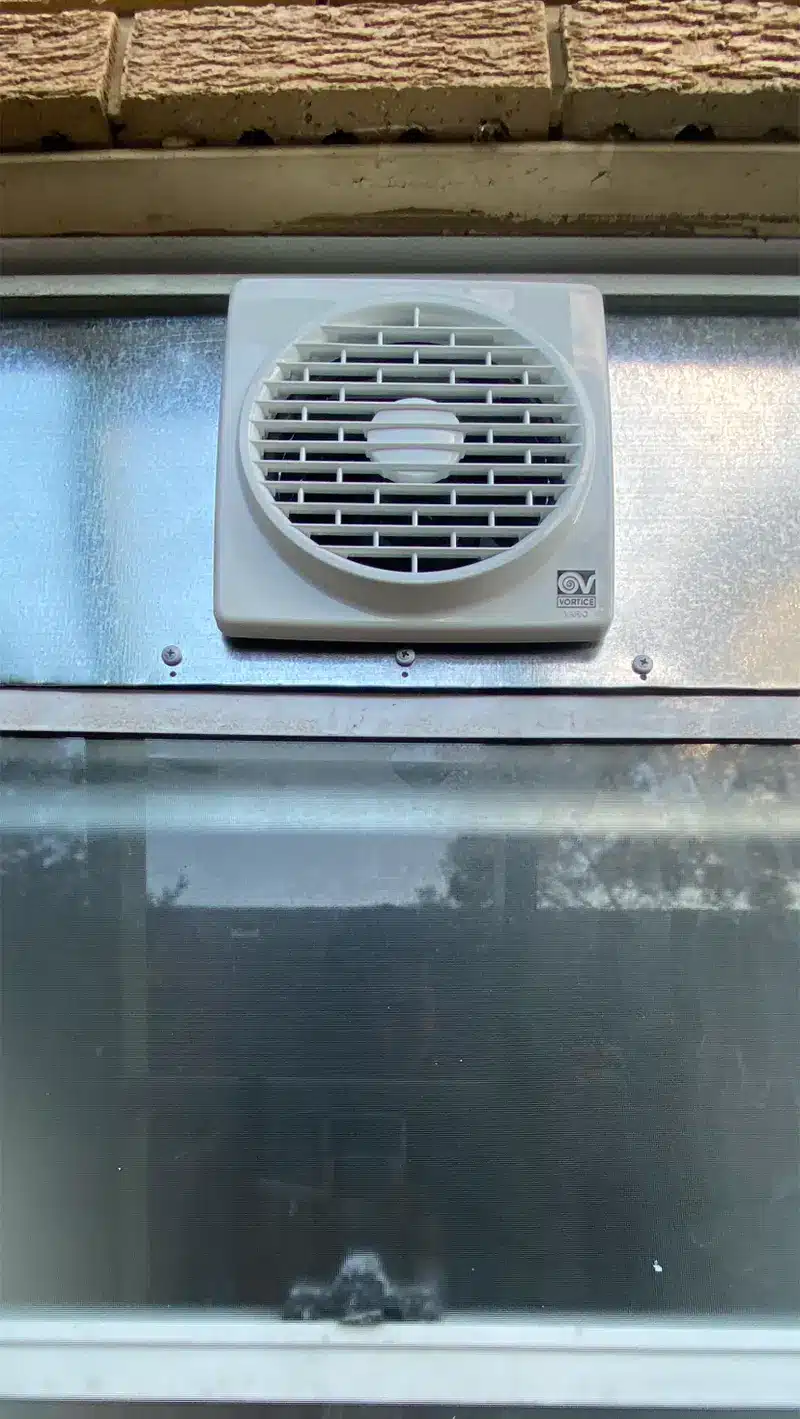
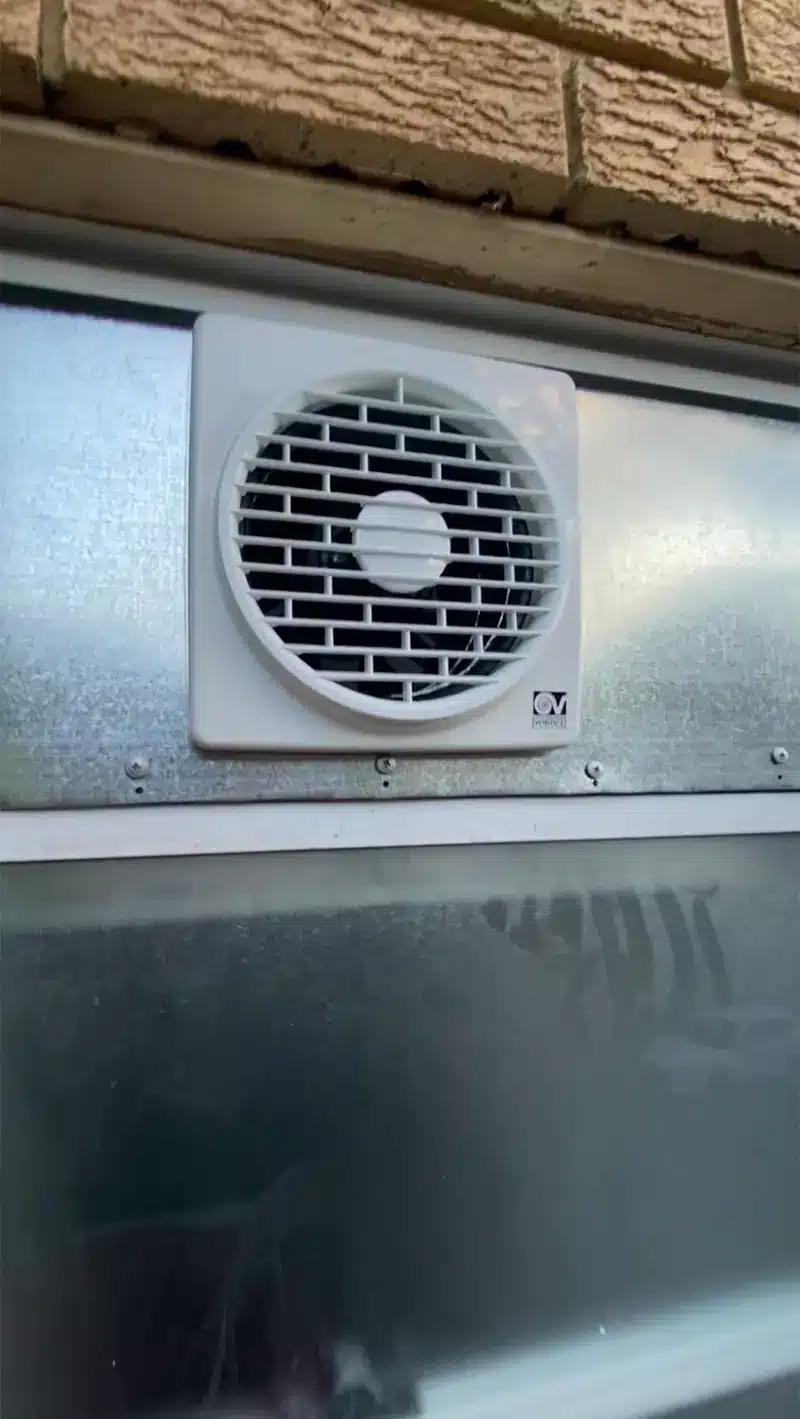
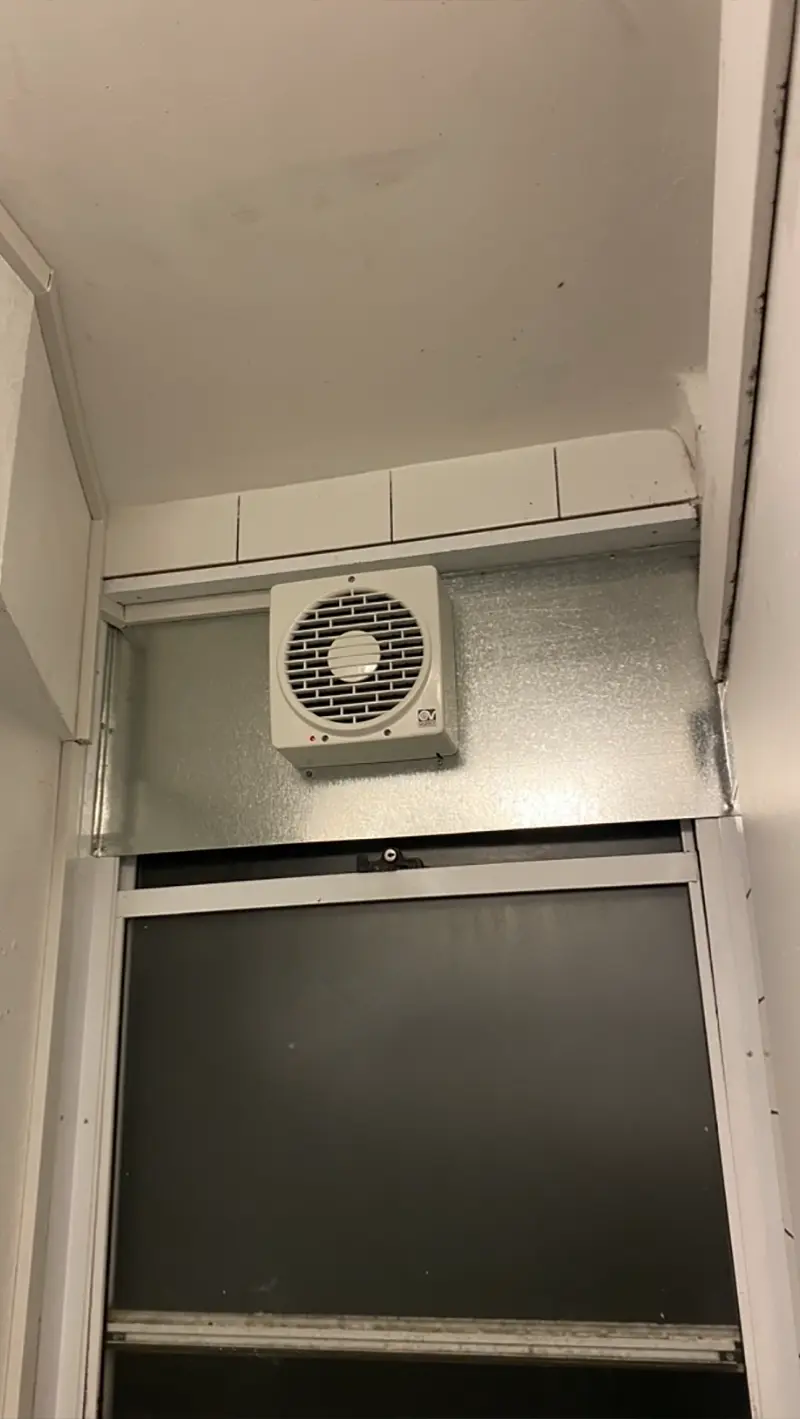
– Wall Exhaust Fan: Ideal for bathrooms that do not have access to the ceiling or roof space, wall exhaust fans are installed on the exterior wall and vent air directly outside.
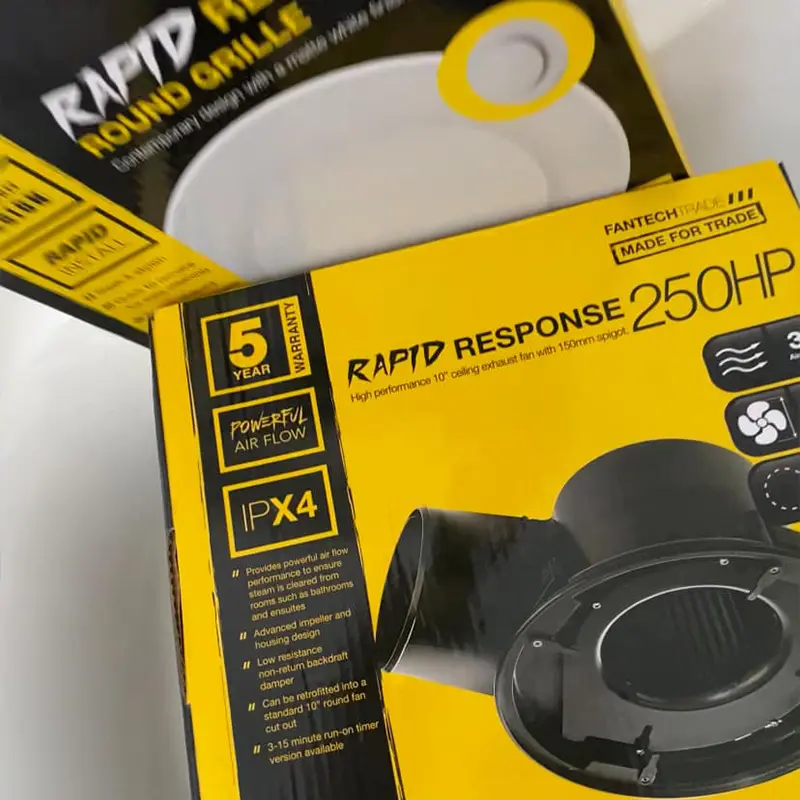
– Ceiling Exhaust Fan: The most common type, ceiling exhaust fans are installed on the bathroom ceiling and vent air through the roof. They are highly efficient at removing steam and moisture directly at the source
– Run-on Timer Fan: These fans continue to run for a set period after you leave the bathroom, ensuring all moisture is thoroughly removed. This feature is especially useful for preventing mould in high-moisture environments.
Our Committment to Success
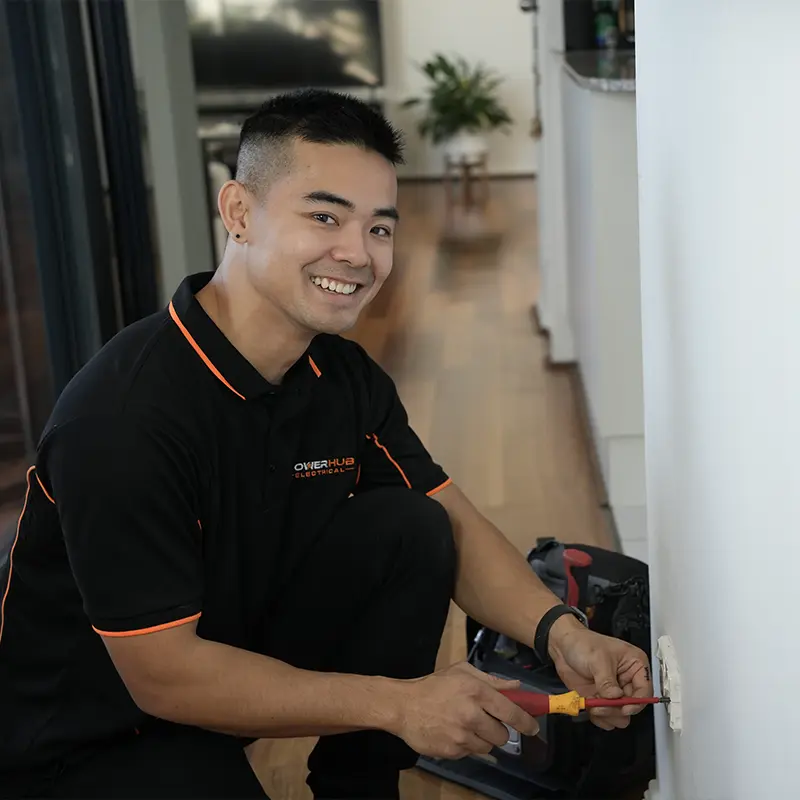
At Powerhub Electrical, we are committed to providing high-quality services that our customers can trust.
Our team of experienced electricians ensures that every job is completed to the highest standards, with a focus on reliability and customer satisfaction.
We use only the best materials and latest techniques to ensure long-lasting performance and safety.
Can exhaust fans be installed in a shower?
Yes, exhaust fans can technically be installed in or near a shower if they are IP rated for such installations. However, at Powerhub Electrical, we generally do not recommend this practice.
Here’s why:
– Reduced Suction Efficiency: Installing an exhaust fan inside your shower can reduce its suction efficiency by up to 60%. This decrease is often due to poor location choices, such as placing the fan in a corner or too close to the shower itself, which limits airflow intake.
– Performance Degradation: Even if the fan is correctly IP rated, being in direct contact with active condensation can reduce its performance over time. Constant exposure to steam and moisture can wear down the fan’s components, leading to decreased effectiveness.
– Poor Steam Management: Steam travels outside the shower screen, often pooling near mirrors and other parts of the room. Having the exhaust fan in one specific area, like inside the shower, makes it challenging to manage and remove steam effectively from the entire bathroom.
If you’re unsure about the best solution for your bathroom ventilation, the experts at Powerhub Electrical are here to help. Contact us today to ensure your bathroom remains a healthy and pleasant space.
Do you provide a warranty or guarantee for your work?
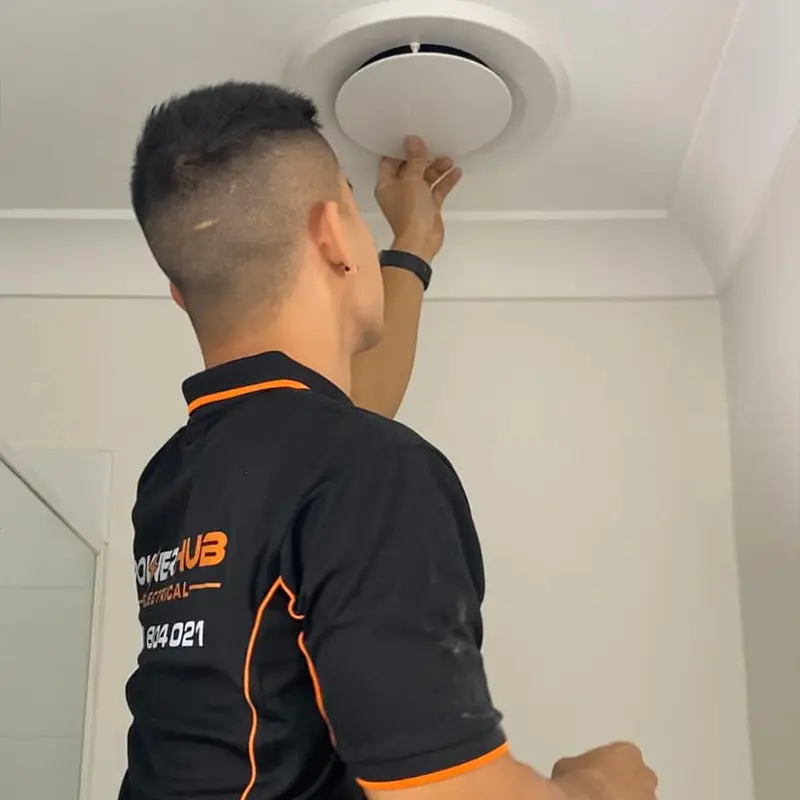
Yes, all our services come with a comprehensive warranty and guarantee.
At Powerhub Electrical, we stand by the quality of our work and the products we use. We provide lifetime labour warranty on all of our installations. Our products have a 3-5year manufacturer’s warranty.
This ensures that you can have peace of mind knowing your installation is reliable and backed by our commitment to excellence.
FAQ's
I have an exhaust fan but I still get mould
If you already have an exhaust fan but are still experiencing mould issues, it might be due to inadequate ventilation, incorrect fan size, or improper installation. Our experts can assess your current setup and recommend solutions, which may include upgrading to a more powerful fan, improving ductwork, or ensuring proper usage.
What is the cost of installing or repairing an exhaust fan?
The cost can vary depending on the complexity of the installation, the type of fan, and any additional features.
On average, professional installation ranges from $250 to $650. Repair costs depend on the issue at hand but are generally more affordable than a full replacement.
In some cases, a system is inadequately designed that considerations for a full replacement of the system to get a proper working exhaust could be the better long term solution.
What type and size of exhaust fan do I need for my space?
The type and size of the exhaust fan you need depend on your bathroom’s size and layout. A general rule of thumb is that you need at least 1 cubic metre of suction per cubic metre for wet rooms.
Larger bathrooms or those with higher ceilings might require a more powerful fan or multiple fans for adequate ventilation.
Here is link for quick maths to calculate how much suction your room needs
https://www.online-calculators.co.uk/volumetric/room-volumetric-dimensions-calculator
How do I know if my exhaust fan is working well?
Exhaust fans are essential for keeping your bathroom fresh and preventing mould. Here’s a simple guide to check if your fan is working properly.
1. The Budget Tissue Test
Turn on the Fan: Ensure the fan is running.
Hold a Tissue: Place a tissue near the fan grill.
Check the Suction: If the tissue sticks to the grill, your fan is working. If not, there might be an issue.
If it is low suction and sticks very weakly this also points to issues with ventilation
2. The Anemometer Test
Turn on the Fan: Make sure the fan is running.
Measure Airflow: Hold an anemometer near the vent to get a reading in CFM (cubic feet per minute).
Compare Readings: Compare the reading with the fan’s specifications.
Our Work
Powerhub Electrical On the Job
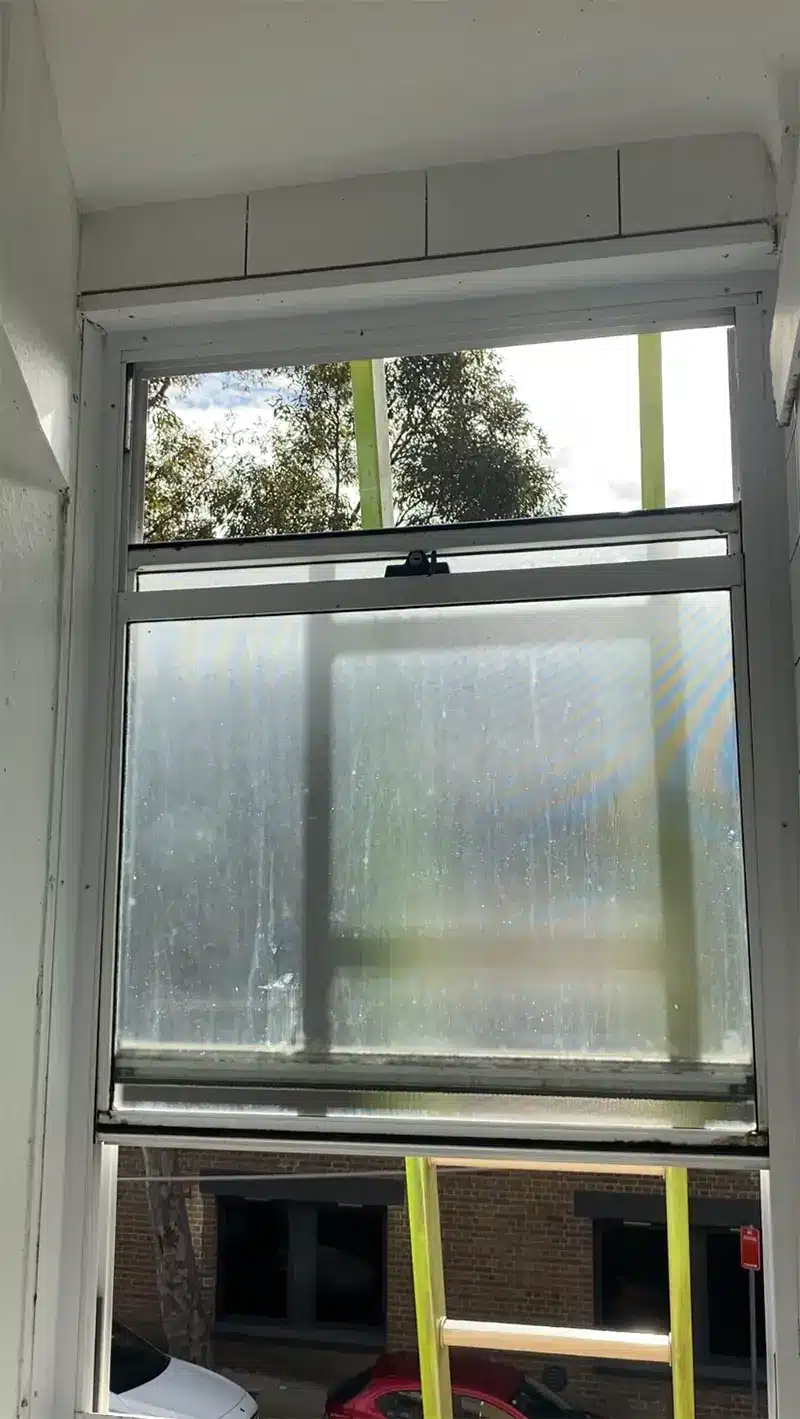
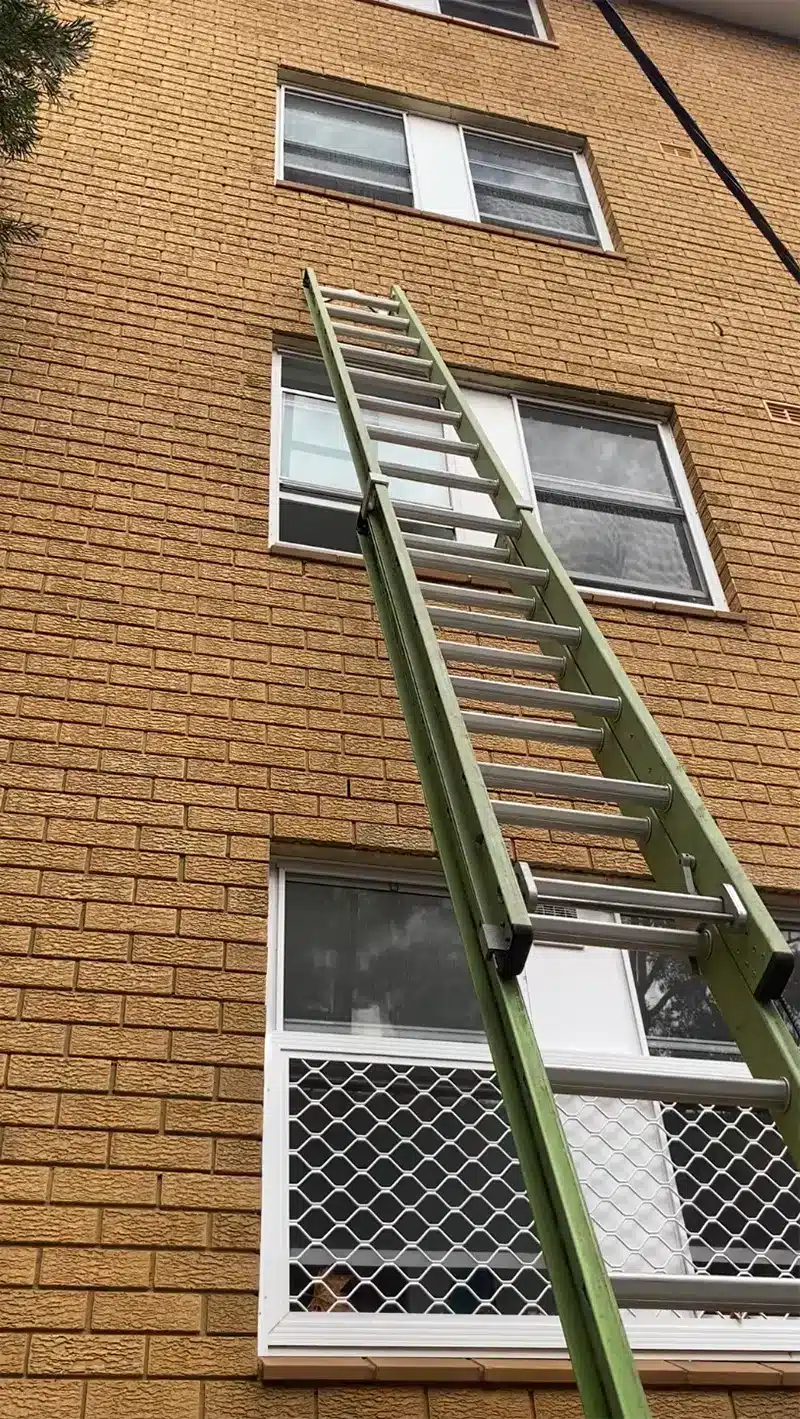
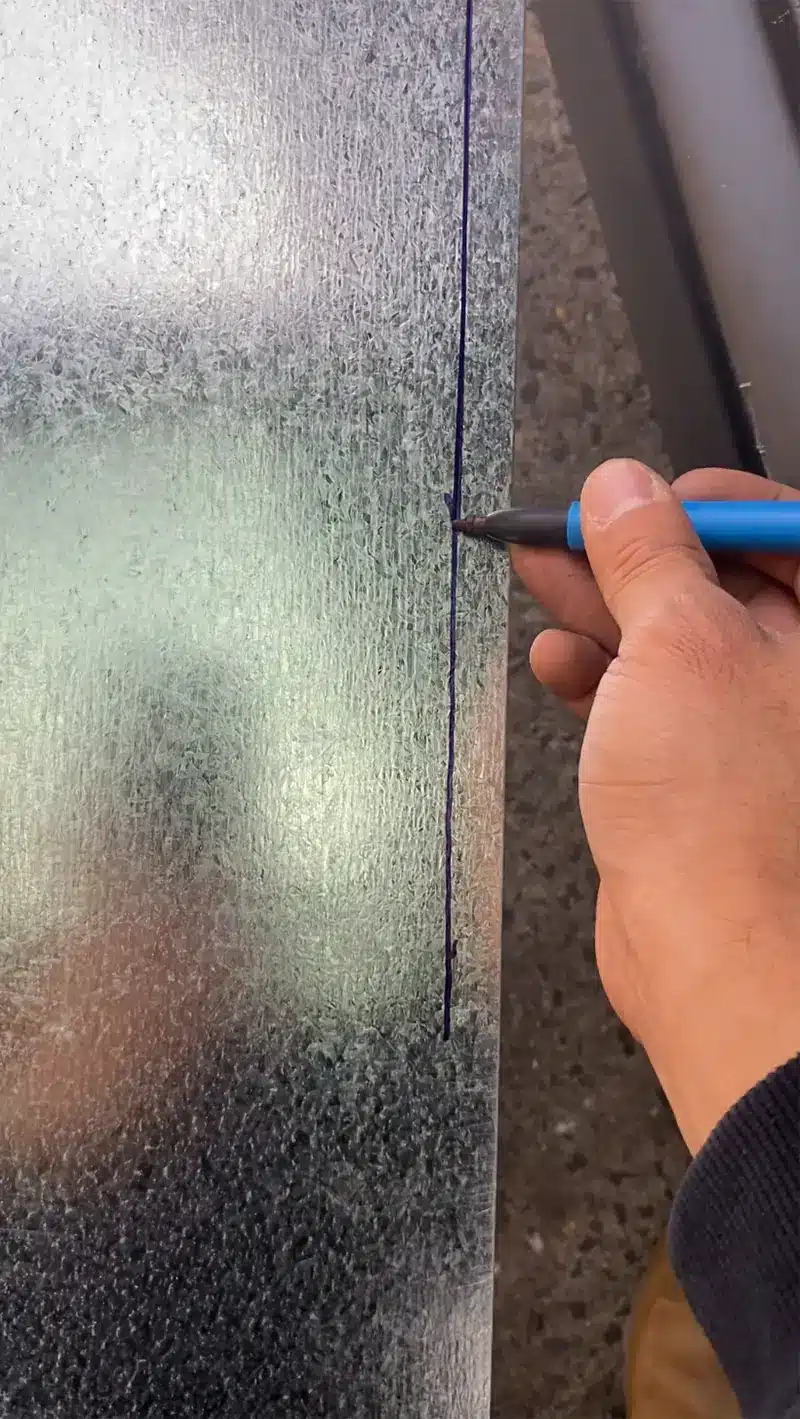
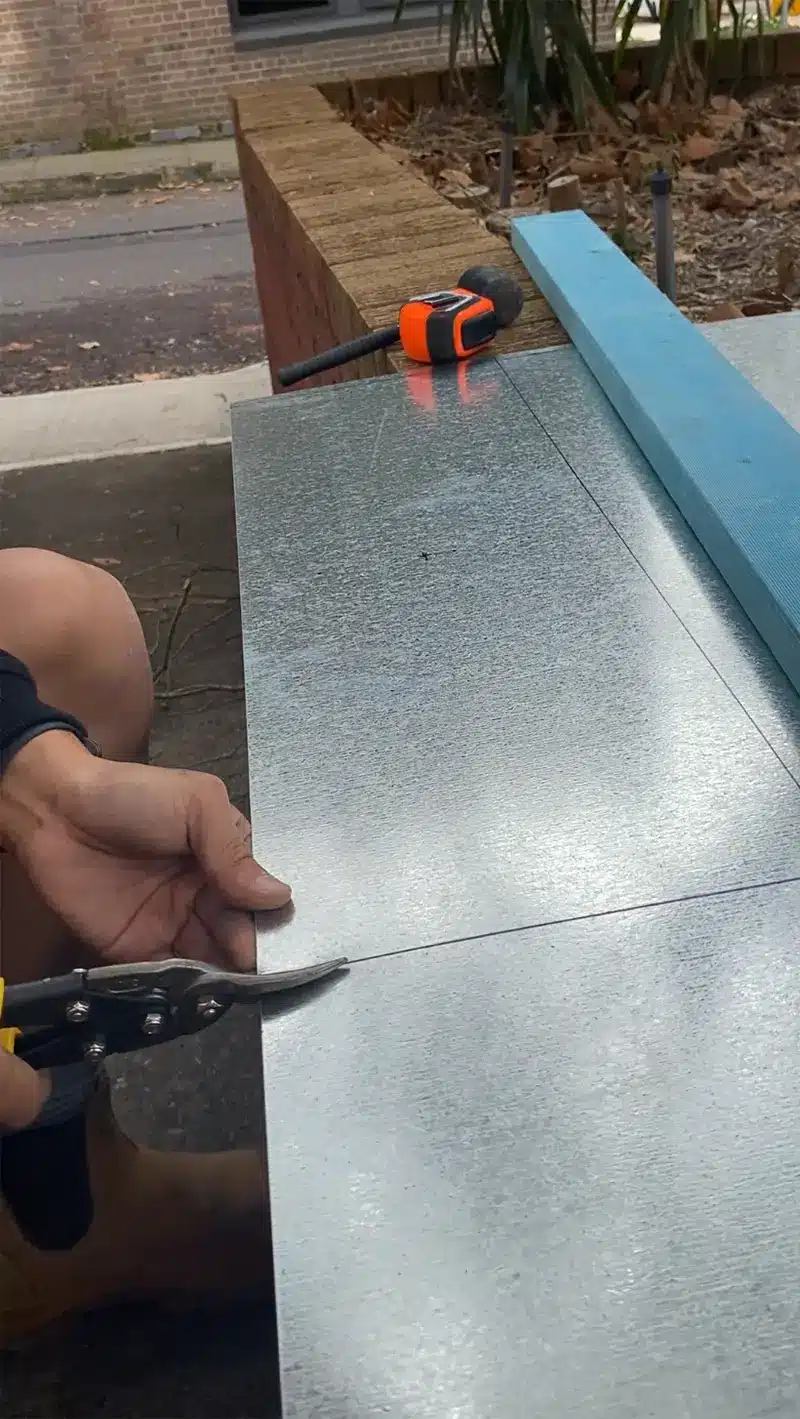
Tricky wall exhaust fan installation on the second level apartment
What Our Customers Say


Brian was incredibly knowledgeable, patient, and always happy to answer our (many!) questions. We couldn’t have asked for a better experience and would highly recommend him to anyone looking for a reliable and professional service!


I truly appreciate his response and commitment.

Your Trusted Local Electricians
Experience Quality Service with Powerhub Electrical!
Powerhub Electrical
Looking for some help?
Contact
Phone: 0400 332 331
Email: services@powerhubelectrical.com.au